
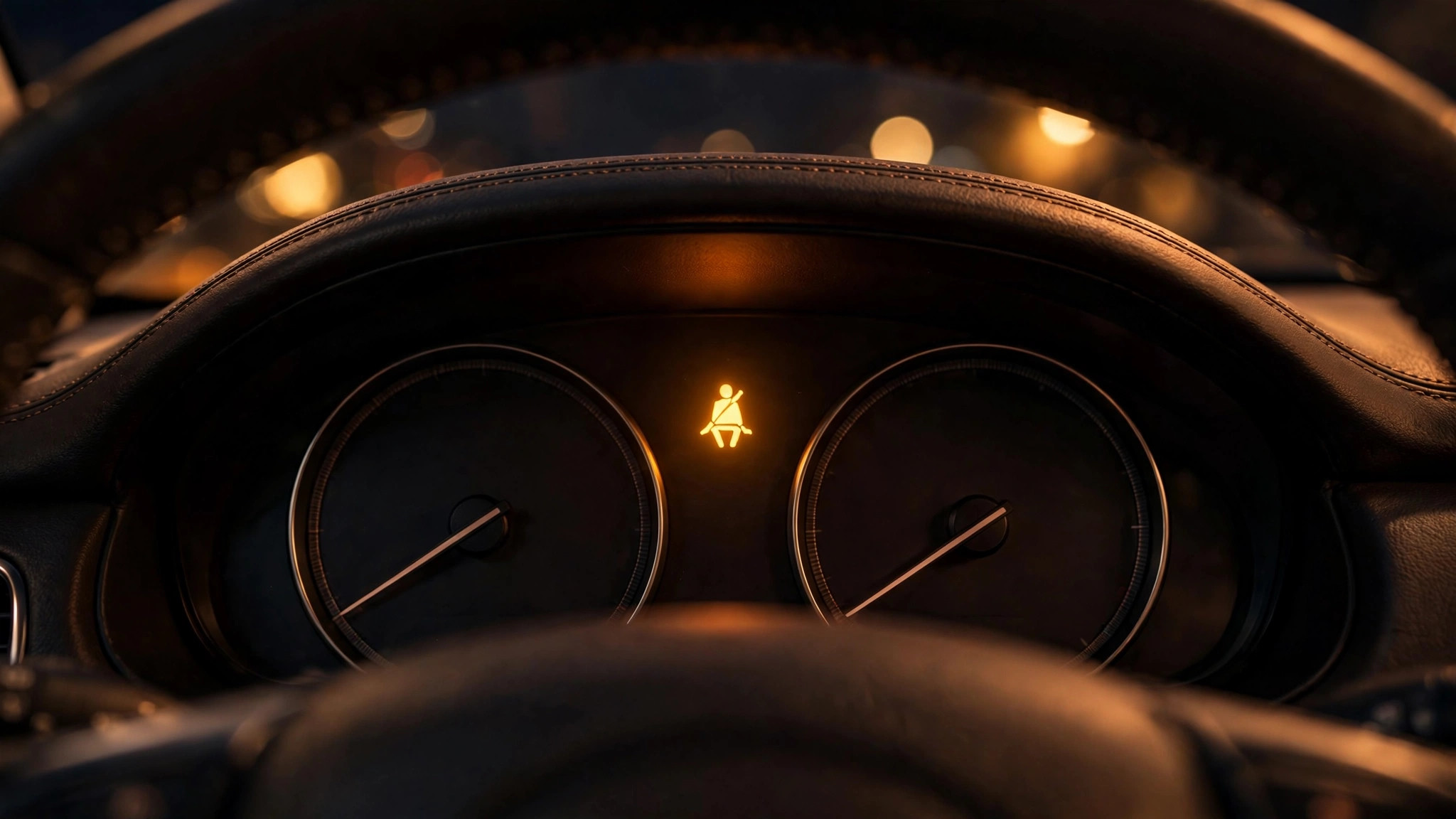
That little icon of a person with a big circle in front of them just lit up on your dashboard — and it refuses to go off. It is the airbag warning light, also labeled SRS, and it is one of those lights you should take seriously even though your car drives perfectly fine. This guide explains what the SRS light means, the most common reasons it turns on, and the safe steps you can take as a beginner before heading to a mechanic.
What Does "SRS" Actually Mean?
SRS stands for Supplemental Restraint System. It is the engineering name for everything in your car designed to protect you in a crash in addition to your seat belt — mainly the airbags, the seat belt pretensioners, the crash sensors, and the control computer that ties it all together.
When you turn the key or press the start button, the SRS computer runs a quick self-check. The light should glow for a few seconds, then switch off. That is normal — it is just the system saying "checking airbags, everything fine." If the light stays on, flashes, or comes on while you are driving, the computer has found a fault somewhere in the system. The car is telling you it can no longer guarantee your airbags will deploy in a crash. For a tour of every other symbol on your cluster, see our beginner's guide to dashboard warning lights.
Why Is My SRS Light On? The Most Common Causes
Good news first: an SRS light very rarely means an airbag itself is broken. In most cases the fault is in the wiring or sensors around the system. Here are the usual suspects, from most to least common in older and first cars.
1. Loose or disconnected wiring under the seats
This is the number one cause. Airbag systems have wiring connectors under the front seats (for side airbags and seat sensors). Over time, vibration, sliding the seats back and forth, or a passenger's foot can loosen a connector. Moisture and corrosion can do the same. A poor connection interrupts the signal, and the SRS computer immediately flags it.
2. A weak or recently replaced battery
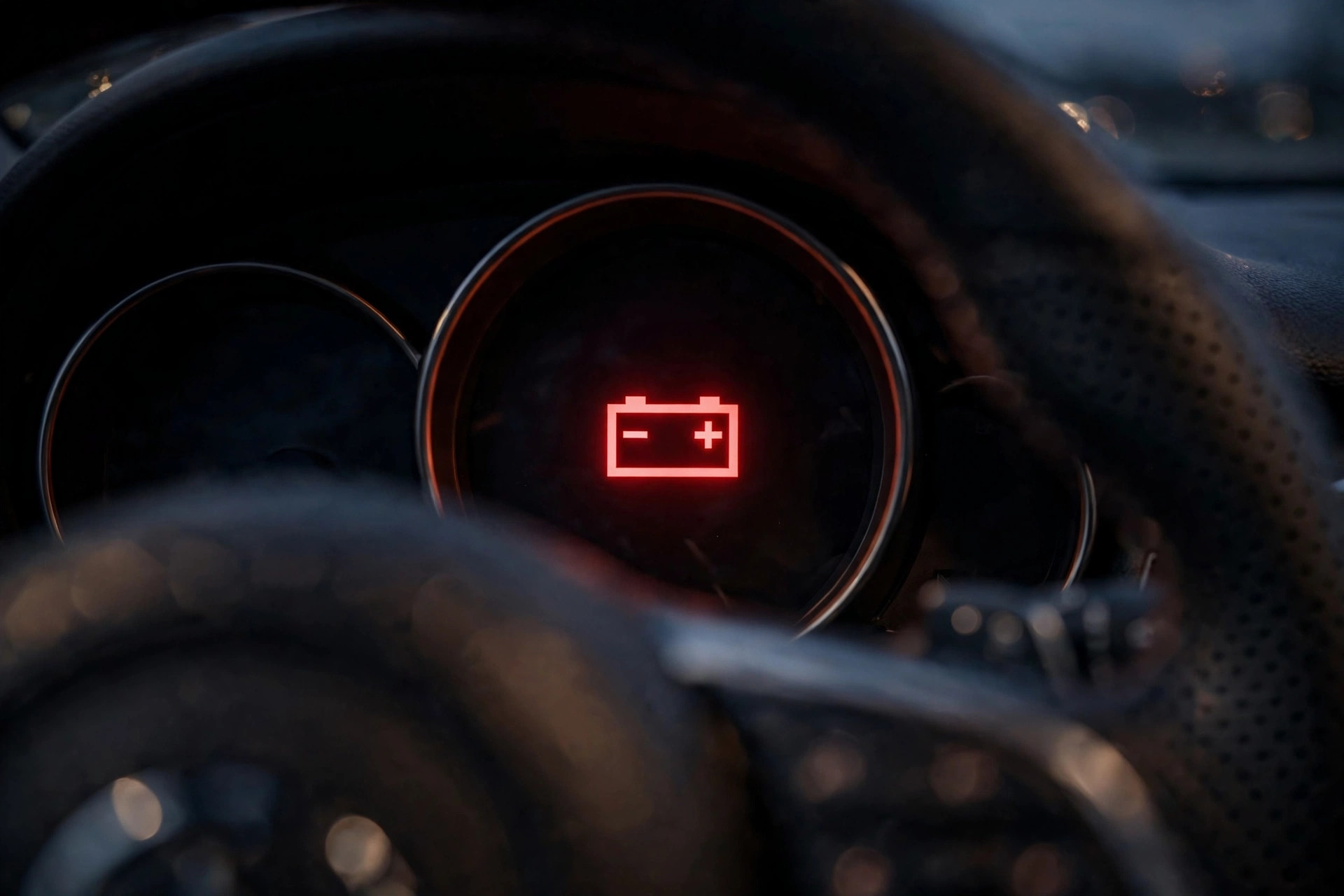
Low battery voltage is a classic false-alarm trigger. If your battery is dying, was recently jumped, or was just replaced, the SRS computer may log a low-voltage fault and light up the dashboard. Sometimes the light resets on its own once the battery is healthy again — but not always. Our guide to the battery warning light explains how electrical trouble shows up on the dash.
3. A worn clock spring in the steering wheel
Inside your steering column sits a coiled wire ribbon called the clock spring. It keeps the driver's airbag connected to the SRS computer while you turn the wheel left and right. After years of turning, that ribbon can wear out or snap. When it does, the driver's airbag circuit breaks and the warning light comes on. If your horn or steering-wheel buttons also stopped working, a failed clock spring is the prime suspect.
4. A problem with the passenger seat occupancy sensor
Many cars have a sensor in the passenger seat that detects whether someone is sitting there, so the computer knows which airbags to arm. Spills, debris, heavy objects left on the seat, or a failing sensor can all trigger the SRS light.
5. A previous accident that was never reset
If the car was in a crash — even a minor one where the airbags did not deploy — the SRS computer may have stored crash data. Until that memory is properly cleared by a professional, the warning light can stay on.
6. A faulty crash sensor or SRS computer
Sensors corrode, wiring harnesses get damaged, and in older cars the control computer itself can fail from age, heat, or water exposure. These are less common but do happen, especially in high-mileage first cars.
Can I Still Drive With the SRS Light On?
Technically, yes — the light does not affect the engine, brakes, or steering. Your car will drive normally. But it is not safe to ignore. A lit SRS light means your airbags and pretensioners may not deploy when you need them most. Think of it this way: every other warning light tells you something is wrong with the car. This one tells you something is wrong with the protection around you.
Drive carefully to where you need to go, and get the system diagnosed as soon as reasonably possible — within days, not months.
Safe Steps to Take Before Calling a Mechanic
Airbags are explosive devices. You should never dismantle airbag modules, probe airbag wiring with a multimeter, or pull connectors while the ignition is on. That said, there are a few completely safe beginner checks:
- Confirm it is a real fault, not just the self-check. Start the car and watch the light. Normal behavior: it comes on for about 5–10 seconds, then turns off. If it stays on, flashes, or appears mid-drive, it is a genuine fault.
- Look under the front seats — with the ignition OFF. Check that no wires look unplugged, damaged, or crushed. Sometimes simply pushing a loose connector firmly back into place (again, ignition OFF) clears the issue, and the light may go off after a few drives.
- Check the passenger seat. Remove heavy bags or objects, and look for spills or crumbs around the seat sensor area. Then start the car and see whether the light clears.
- Think about recent events. Did you recently jump-start the car, replace the battery, move the seats for a cleaning, or have interior work done? Low voltage and disturbed wiring are the two most common triggers — mention these to the mechanic, because they speed up diagnosis enormously.
- Get the codes read. A standard cheap OBD-II scanner often cannot read SRS codes — you need a scanner with SRS support or a mechanic's diagnostic tool. Many auto parts stores and garages will read them for a small fee or even free. The fault code tells you exactly which circuit is complaining.
If the light persists after these checks, book a diagnostic appointment. A qualified mechanic can read the SRS fault codes, test the wiring and clock spring, and — where the system stores crash data — reset the module properly. Avoid anyone who offers to "just delete the code" without fixing the underlying fault; the light will simply come back. RepairPal's guide to the SRS warning light covers the same diagnostic steps a shop will follow.
How Much Does It Cost to Fix an SRS Light?
It depends entirely on the cause. A loose connector or a simple reset can cost very little. A clock spring replacement is a moderate job, while a failed control module or corroded wiring harness costs more. The honest answer is: get the diagnostic code read first — guessing without the code is how people waste money on this system.
Frequently Asked Questions
Q: What does SRS stand for?
A: Supplemental Restraint System — the umbrella term for your car's airbags, seat belt pretensioners, crash sensors, and the computer that controls them.
Q: Is it normal for the SRS light to come on when I start the car?
A: Yes. The light should glow for roughly 5–10 seconds during the system's self-check and then turn off. If it stays on or flashes, that indicates a fault.
Q: Can I reset the SRS light myself?
A: Sometimes a loose under-seat connector or a low battery is the whole problem, and fixing that clears the light on its own. But if the system has stored a hard fault or crash data, a basic scanner cannot clear it — that needs professional equipment. Do not tamper with airbag components to try to silence the light.
Q: Will the SRS light go off by itself?
A: Occasionally, if the cause was temporary (like a low battery that is now charged). But a genuine wiring or sensor fault will keep the light on until it is repaired and the code is cleared. Do not assume it will sort itself out.
Q: Does the SRS light affect my car's inspection or insurance?
A: In many regions a lit SRS light is a failed safety inspection item, and insurance assessors do note it. More importantly, driving long-term with a disabled airbag system is a real safety risk — fix it promptly.
Conclusion
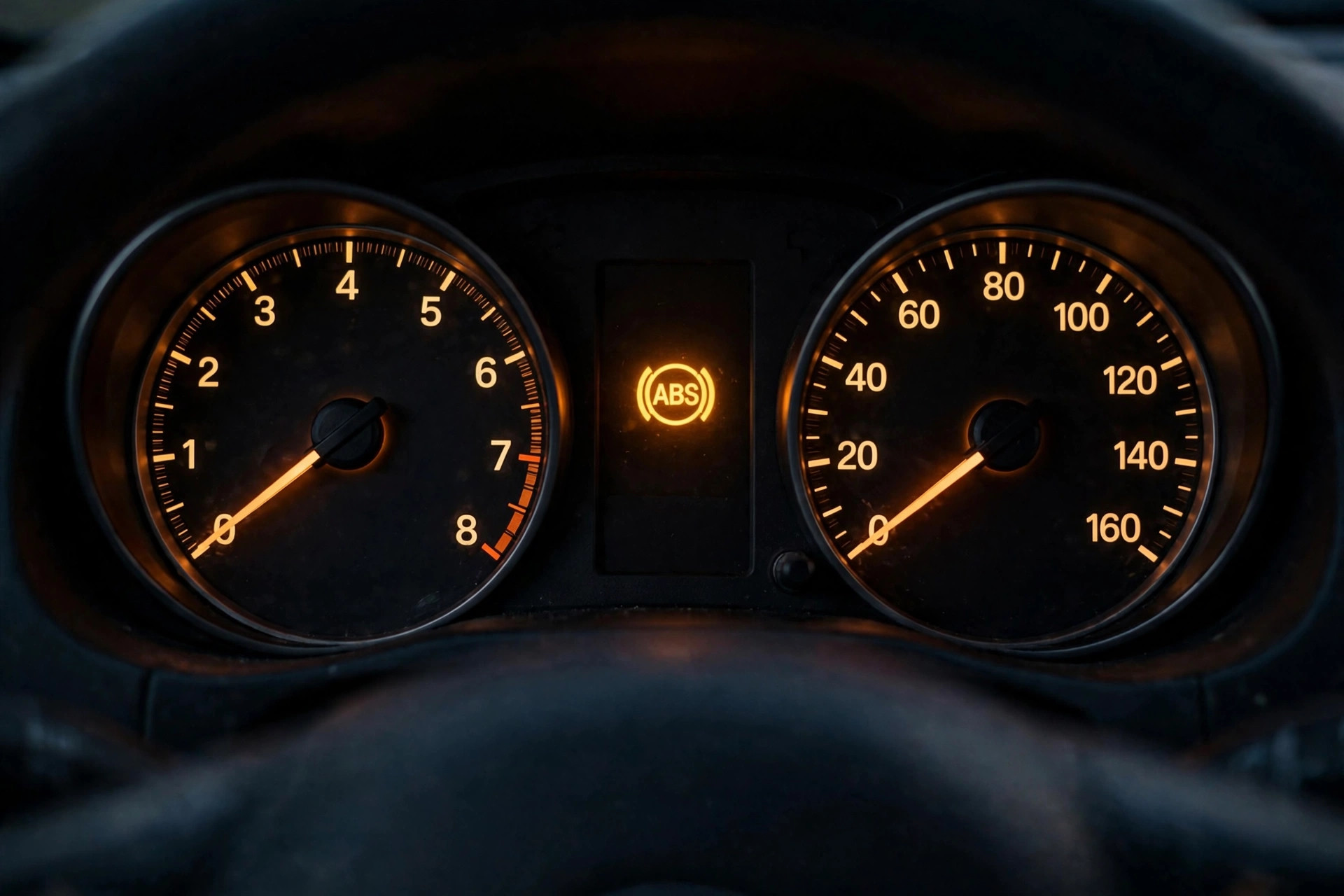
The airbag (SRS) warning light is your car being honest with you: it cannot promise your airbags will work in a crash. Most of the time the cause is mundane — a loose connector under a seat, a weak battery, or a worn clock spring — and a quick diagnostic points straight at it. Do the safe beginner checks above, avoid poking at airbag components yourself, and let a professional handle the rest. Your seat belt is your first line of defense, but it was designed to work with the SRS, not without it. For more symbols worth knowing, see our guides to the ABS warning light and the full dashboard warning light chart.