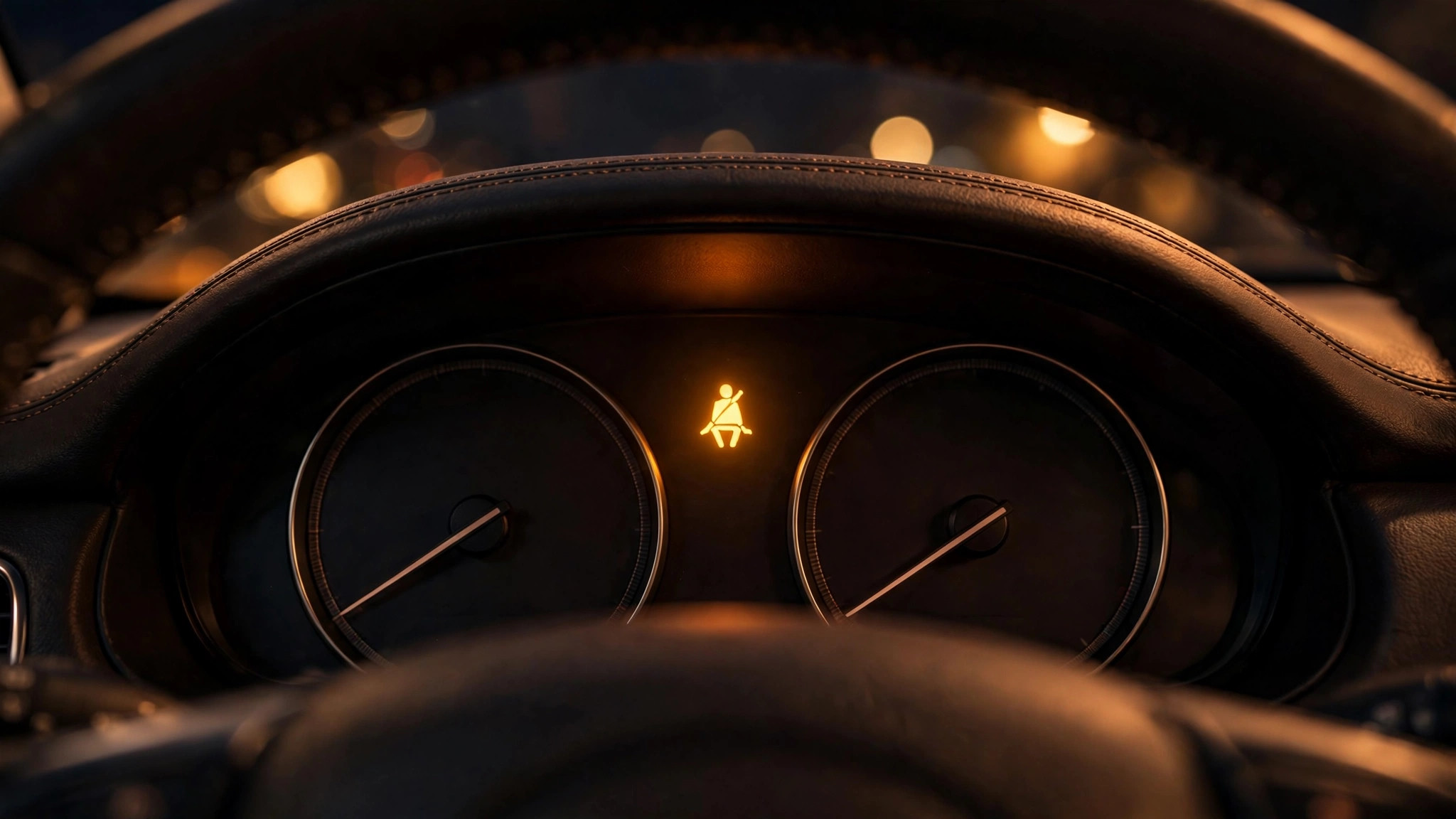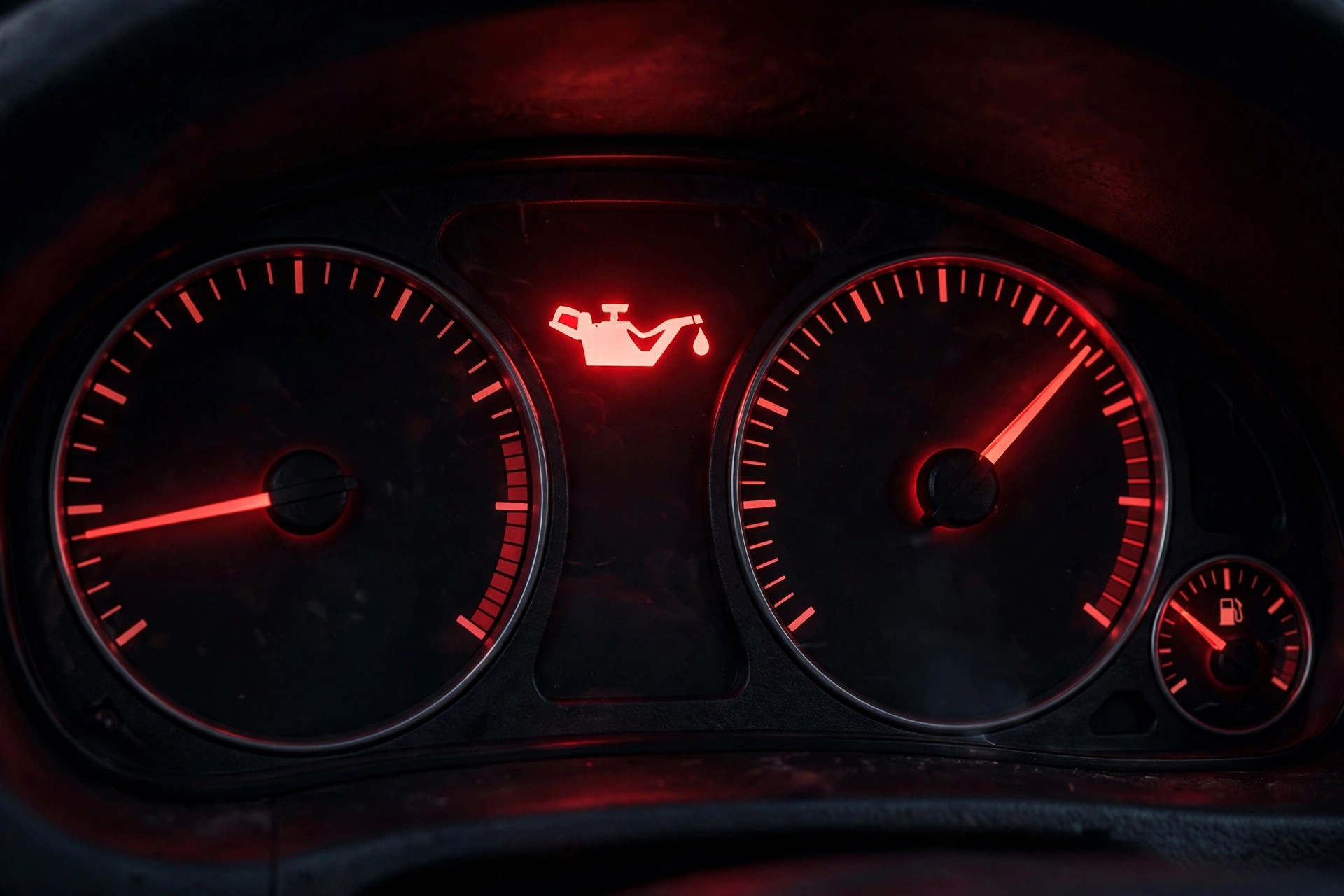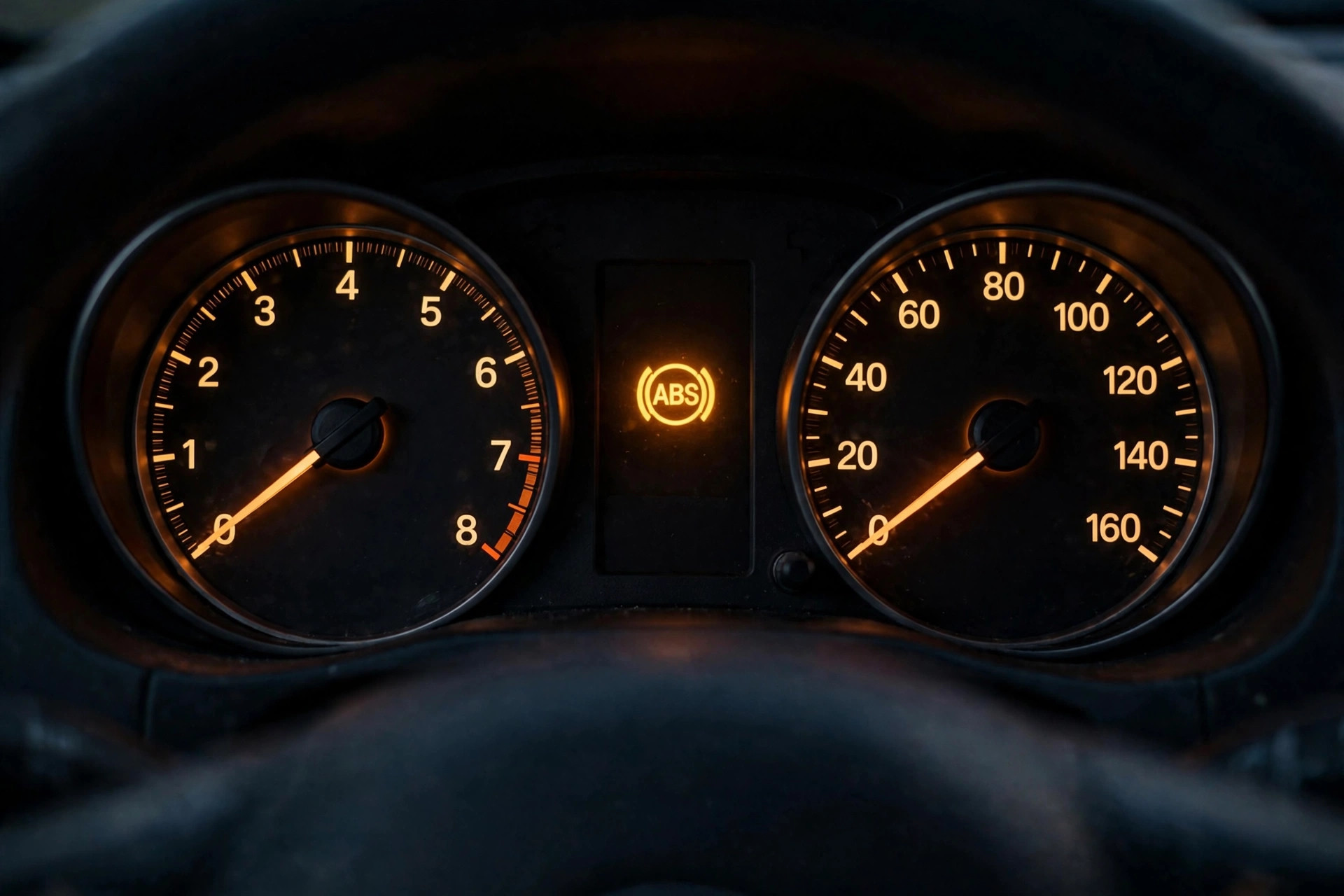
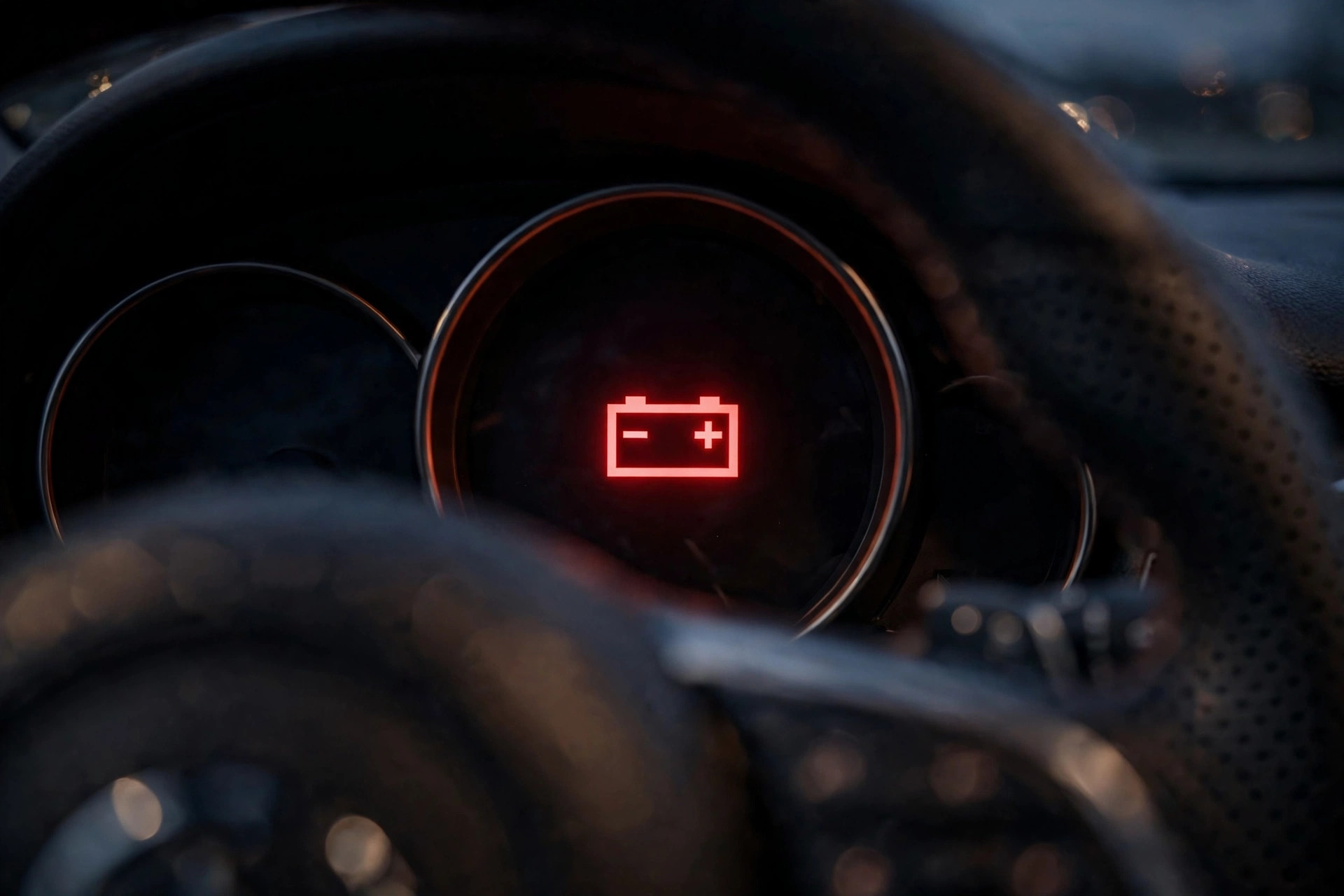
You are driving along, everything seems fine — then a little red battery symbol lights up on your dashboard. The car still runs, the radio still plays, so how urgent can it be? More urgent than it looks. That light rarely means the battery itself is dead. It means your car has stopped charging the battery while it runs — and from that moment on, every electrical system in the car is running on borrowed time.
This guide explains what the battery warning light really means, the most common causes behind it, and the exact safe steps to take so you don't end up stranded on the side of the road.
What the Battery Warning Light Actually Means
Despite its name, the battery light is really a charging system warning. Like the other dashboard warning lights in your car, it is your vehicle telling you that something in a critical system is wrong.
Here is how the system works: while your engine runs, the alternator generates electricity and keeps the battery topped up. The battery is mostly a reserve tank. The warning light switches on when the car's computer detects that system voltage has dropped below the normal running range — roughly below 12 volts instead of the usual 13.5 to 14.5 volts.
In plain English: the battery is no longer being recharged, and the car is now draining it. Headlights, ignition, power steering, fuel pumps — everything is pulling from a reserve that is not being refilled. Once the battery drops too low, the engine will stall and it will not restart.
The Most Common Causes
1. A Failing Alternator
This is the number-one cause. The alternator converts engine rotation into electricity, and its internal parts — brushes, diodes, the voltage regulator — wear out over time. A car that starts perfectly fine but shows the battery light while driving is almost always an alternator problem, because the battery had nothing to do with the failure.
2. A Broken, Slipping, or Loose Drive Belt
The alternator is spun by the serpentine (drive) belt. If that belt snaps, slips, or works loose, the alternator stops turning and the light comes on. On many cars the same belt also drives the power steering pump and the water pump — so if your steering suddenly feels heavy at the same time the light appears, that is a strong hint the belt is the culprit.
3. Loose or Corroded Battery Terminals and Wiring
Charging current has to flow through the battery cables, terminals, and ground connections. Corroded, loose, or damaged wiring interrupts that flow and can trigger the light. A white or greenish crust around the terminals is the classic sign. If your car battery keeps dying overnight even after a full charge, bad connections or a weak battery are prime suspects worth ruling out too.
4. A Worn-Out Battery
Less common as the trigger, but an old battery that can no longer hold a charge can set the light off. Most car batteries last 3–5 years. If yours is older than that and the light appears, have the battery load-tested before assuming the alternator is at fault — a good overview of battery light causes puts the battery itself lower on the list than most beginners expect.
5. A Failing Voltage Regulator
The voltage regulator keeps charging voltage in a safe window. If it fails, voltage can swing too high (which overcharges and boils the battery) or too low (which means effectively no charging at all). On some cars the regulator is a separate part; on many modern cars it is built into the alternator, so the whole unit gets replaced.
6. Too Much Electrical Load
Running the headlights, air conditioning on full blast, heated seats, and a loud stereo all at once on an aging charging system can temporarily pull voltage below the warning threshold — especially at idle in traffic. If the light only flickers on in heavy traffic and goes off at speed, an overloaded or borderline charging system is the likely story.
What to Do Immediately: Safe Steps
The light is red for a reason — treat it as urgent, but stay calm and follow these steps:
- Start looking for a safe place to stop — a gas station, parking lot, or the nearest garage. Don't panic-brake on a highway.
- Turn off everything electrical you don't need: air conditioning, heated seats, stereo, rear-window defroster, and phone chargers. This buys you time.
- Watch for extra symptoms: dimming headlights, flickering dash lights, or weakening power steering mean voltage is dropping fast — stop sooner.
- If the steering suddenly feels heavy or you smell burning rubber (a slipping or snapped belt), pull over as soon as it is safe and switch the engine off.
- Don't keep switching the engine off and on "to check" — every restart drains the battery further.
- Once stopped somewhere safe, call roadside assistance or head straight to a garage. Don't continue with errands across town.
Can You Keep Driving With the Battery Light On?
Only for a short distance, and only if you must. A fully charged, healthy battery might keep the car going for 20 to 60 minutes of daytime driving with the electrics switched off — but there is no reliable way to know how much charge is left, and at night with headlights on it can be a matter of minutes.
The honest rule of thumb: drive directly to help, not to your next errand. Every mile is a gamble, and losing power steering, brakes assist, or lights mid-drive is not worth it.
How a Mechanic Diagnoses It (So You Know What to Expect)
Knowing the basic diagnosis steps helps you ask the right questions — and avoids paying for a new battery when the alternator is the real problem:
- Voltage test: about 12.6 volts with the engine off is healthy; 13.5–14.5 volts with the engine running means the alternator is charging.
- Belt inspection: checking the drive belt for cracks, glazing, or looseness.
- Connection check: terminals, ground cables, and wiring inspected for corrosion or damage.
- Load tests: the battery and alternator tested under load to find the weak link.
A reputable garage runs these checks before replacing anything. If someone wants to sell you a battery without testing the charging system first, get a second opinion.
How to Prevent It Happening Again
- Have the battery and charging system tested once a year — ideally before winter.
- Keep battery terminals clean and tight; check them whenever you pop the hood.
- Replace the drive belt at the interval in your owner's manual, or sooner if it shows cracks.
- Replace the battery proactively — most last 3–5 years, so don't wait for it to die on you.
- Don't ignore early flickers: a light that turns on and then off again is usually an intermittent connection or slipping belt, and it is telling you to get checked before it becomes a full failure.
Frequently Asked Questions
Is the battery light the same as the check engine light?
No. The battery light is specifically about the charging system (alternator, belt, battery, wiring). The check engine light covers engine and emissions problems. If your check engine light is on but the car runs fine, that is a different issue with different causes — though a failing charging system can occasionally trigger other warning lights too as voltage drops.
Will a jump start fix it?
No — a jump start only gets a dead battery going; it does nothing for a charging-system fault. If the light comes on while driving, the alternator or belt is the problem, not a flat battery. Learn how to jump start a car safely for the times the battery genuinely is the issue, but don't expect it to fix a lit battery light.
How long can I drive with the battery light on?
There is no safe fixed number. It depends on your battery's charge level, whether it's day or night, and how many electrics are running. Assume minutes, not hours, and drive straight to a garage or a safe stopping point.
The light flickers on and off — what does that mean?
An intermittent light usually means an intermittent problem: a belt that slips and catches, a loose terminal, a corroded ground, or an alternator with a worn brush making occasional contact. Don't dismiss it — flickering is an early warning, and the failure behind it tends to become permanent at the worst moment.
Conclusion
The battery warning light is not a suggestion — it is your car telling you the charging system has stopped doing its job. In most cases the culprit is the alternator or the drive belt, and the right response is always the same: reduce electrical load, drive straight to help, and get the charging system tested before replacing anything.
Catch it early and it is a routine repair. Ignore it and it becomes a tow truck, a dead battery, and a very bad day. Now you know which one to choose.