

You climb into your car on a cold morning, start the engine, and within seconds your windshield turns into a white wall. You cannot see the road, you are already late, and wiping the glass with your sleeve only smears the fog around. The fix is faster than you think: with the right combination of heater, air conditioning, and fresh air, you can clear a fogged windshield in under two minutes. Here are the exact steps — and the habits that stop the fog from coming back.
Why Your Windshield Fogs Up
Fog on the inside of your windshield is condensation — tiny water droplets that form when warm, moist air inside your car meets cold glass. Your breath, wet shoes, and damp clothes all add moisture to the cabin air. When that humid air touches the cold windshield, it cools below its dew point and the water vapour turns into liquid droplets. That is why fogging is worst on cold mornings, in the rain, and whenever several people are in the car — and a dirty windshield fogs faster, since dust and film give droplets something to cling to. The fix follows from the cause: warm the glass above the dew point and remove moisture from the cabin air at the same time.
The Fastest Way to Defog Your Windshield: The 2-Minute Method
Do these steps in order, before you start driving — never drive while your windshield is still fogged.
- Turn on the defroster (windshield) mode. Look for the button with a windshield icon and arrows pointing up at it. This directs all the airflow straight at the glass. On many cars, selecting defrost automatically switches on the air conditioning and the fresh-air intake.
- Set the temperature to maximum heat. Hot air warms the glass above the dew point, which stops new condensation from forming and evaporates the droplets already there.
- Turn the fan to its highest speed. More airflow means faster heat transfer to the glass and faster removal of humid air.
- Make sure the A/C is on — even in winter. This feels backwards, but your air conditioning does more than cool air: it dehumidifies it, so the air hitting your windshield is warm and dry.
- Turn off air recirculation. The recirculation button (a car icon with a curved arrow inside it) traps the same moist cabin air and sends it around again. Switching it off lets your car draw in colder, drier outside air.
- Crack a window slightly, if it is safe to do so. Even a small gap lets humid air escape and drier outside air in.
- Switch on the rear defroster too. The rear window has its own button (a rectangle with wavy arrows) that heats thin wires in the glass.
Give it a minute or two — the fog should shrink from the edges inward. Once the glass is clear, turn the fan down to a comfortable level, but keep the A/C and fresh-air settings on for a few more minutes so the fog does not return. This heat-plus-A/C approach is the same method AAA recommends in its guide to defogging car windows.
Defogging in the Rain vs. on a Cold Morning
The same method works in both situations. On a cold, dry morning, the outside air is cold and dry, so cracking a window helps a lot and the glass usually clears in one to two minutes. In heavy rain, everything is damp — your clothes, the floor mats, and the outside air. Heat plus A/C is still the answer, but do not crack the windows if rain will blow in; keep the fan on high and allow an extra minute. If the glass fogs up again the moment you turn the fan down, your cabin air filter may be clogged or your floor mats soaked. If you are driving in rain, our guide to driving safely in heavy rain covers the rest.
What If Your Car Has No A/C?
Older cars and some base models have no air conditioning, or the A/C may be broken. You can still defog — it just takes a little longer. Use maximum heat and maximum fan speed aimed at the windshield, with fresh air (not recirculation), and crack the windows to let humid air out. Drive's guide to the fastest way to defog a windscreen makes the same point: without A/C, open windows are your best tool. Keep a clean microfiber cloth in the car to wipe a clear patch while the heater catches up, but only when parked.
5 Mistakes That Make Fogging Worse
- Leaving recirculation on. The number one mistake — recirculated air gets more humid with every breath, and the fog will never fully clear.
- Wiping the glass with your bare hand. It leaves an oily film that attracts even more moisture next time. Use a clean microfiber cloth if you must wipe.
- Turning the A/C off to "save fuel" in winter. The A/C compressor uses very little fuel, and it is the tool that dries the air.
- Leaving wet things in the car. Damp towels, wet umbrellas, and soaked floor mats all pump moisture into the cabin overnight. Take them out.
- Driving before the windshield is clear. A fogged windshield is a safety hazard, not an inconvenience. Wait the two minutes — it is always worth it.
How to Keep Your Windshield From Fogging Up Again
Clearing fog is a quick fix; preventing it is the real win. These habits will cut fogging down dramatically.
1. Keep the inside of your glass spotless
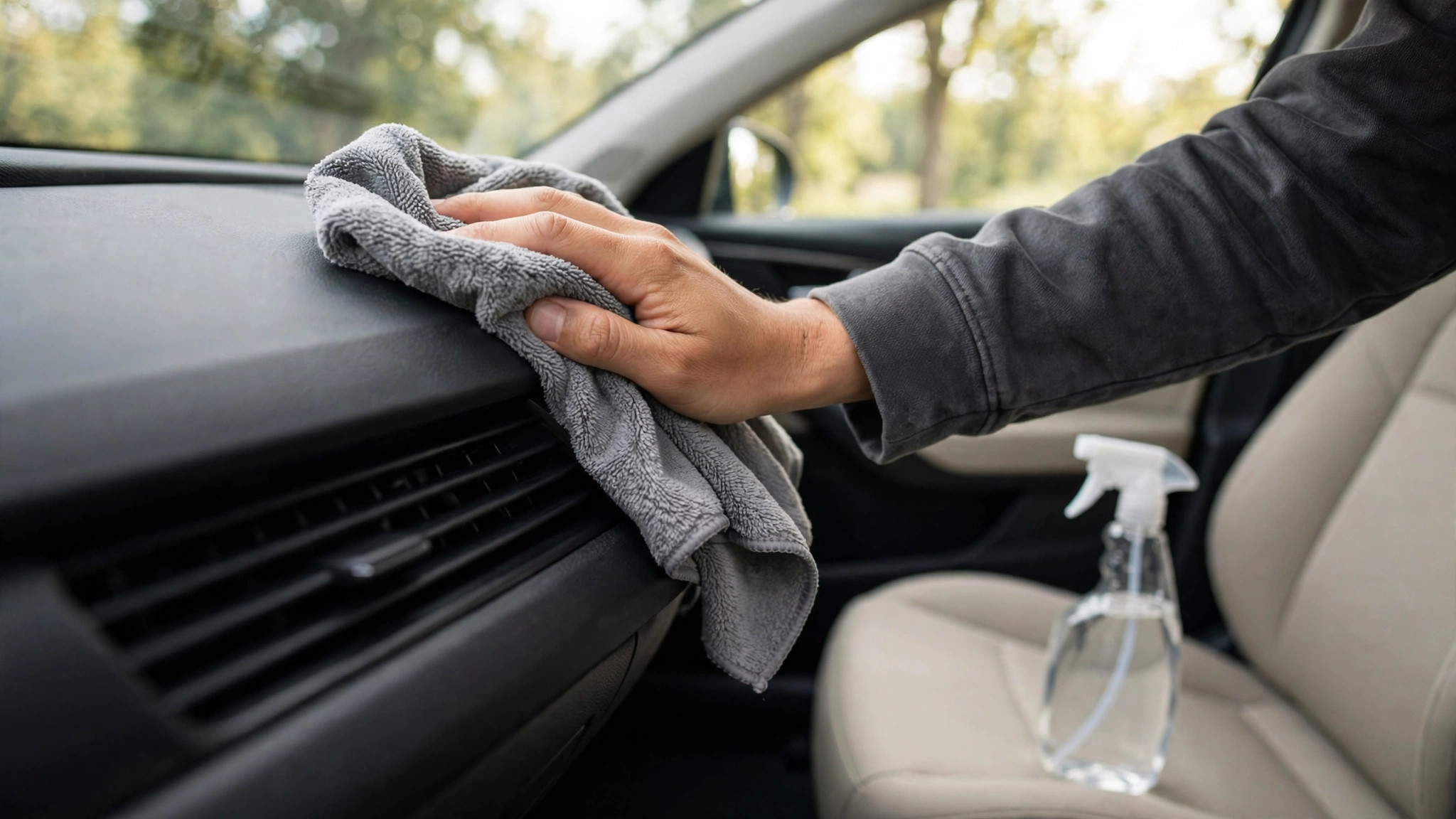
Clean interior glass fogs up far more slowly than dirty glass. Wipe the inside of your windshield every couple of weeks with a proper automotive glass cleaner and two microfiber cloths — one to clean, one to buff dry. Avoid household glass cleaners with ammonia if your windows are tinted, as ammonia can damage tint. Our guide to cleaning car windows without streaks shows the exact technique.
2. Use an anti-fog treatment
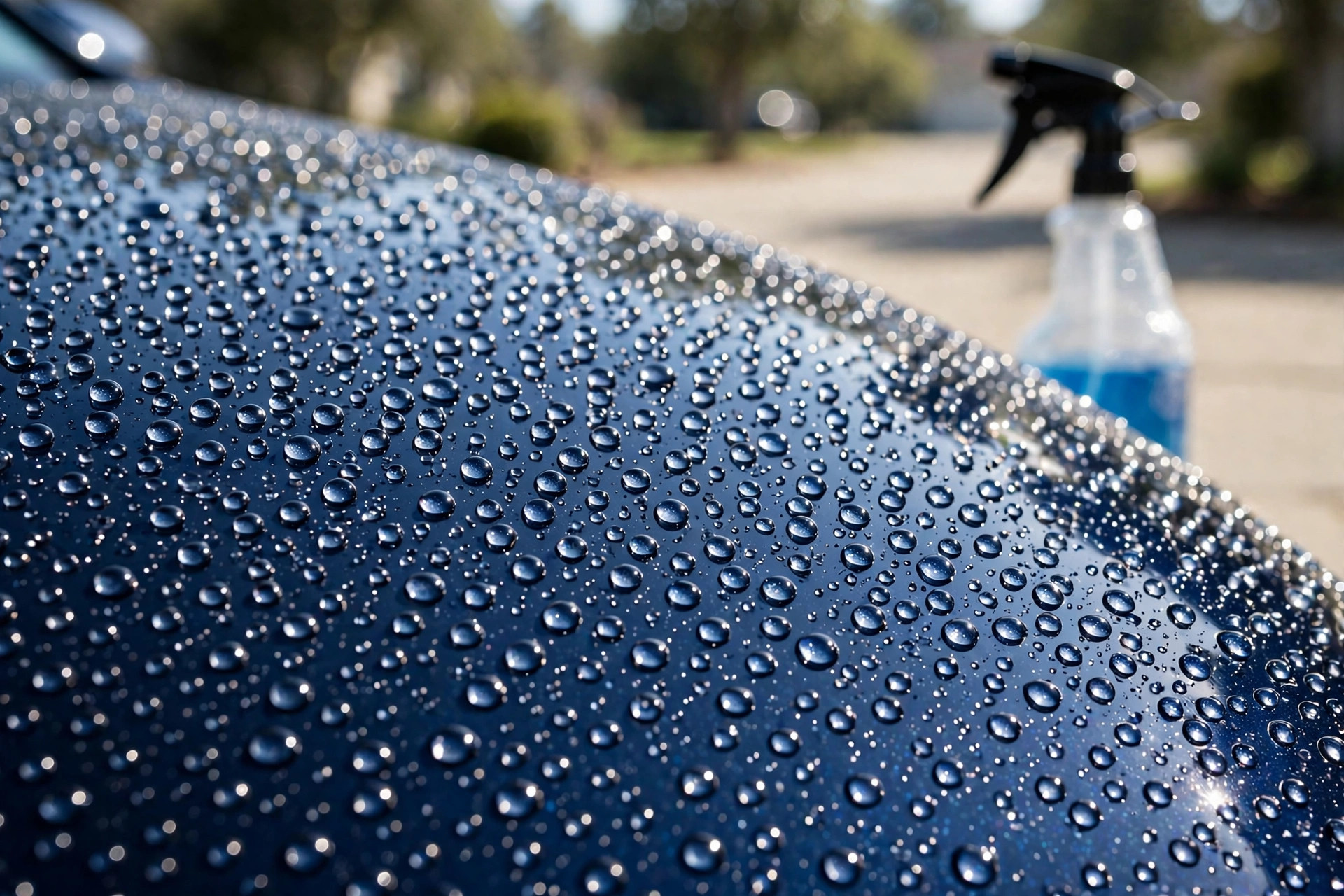
Anti-fog sprays (such as Rain-X Anti-Fog) leave an invisible coating that stops water from beading on the glass. Apply to clean, dry interior glass, let it haze, then buff it off with a dry cloth, and reapply every few weeks. A popular DIY version is plain foam shaving cream: wipe a thin layer over the inside of the windshield, then buff it completely clear — the soap residue works the same way.
3. Replace your cabin air filter on schedule
A clogged cabin air filter restricts airflow to the defroster and traps moisture. Most manufacturers recommend replacing it every 12,000 to 15,000 miles or once a year — check your owner's manual. If your defroster feels weak even on full fan, this is the first thing to check.
4. Keep the cabin dry
Shake out and dry floor mats after rain or snow, and do not leave wet items in the car overnight. In very damp climates, a reusable moisture-absorber bag (silica gel) under a seat can help. Also check the rubber seals around your doors and windshield — a leaking seal lets rainwater in and keeps the cabin permanently humid. Clear leaves and debris from the cowl (the grille at the base of your windshield) too, since blocked airflow there feeds moisture into your ventilation system.
When Fogging Means Something Is Wrong
Most fogging is normal, but a few warning signs mean you should see a mechanic. If the fog gets worse when you turn the heater on and the glass feels greasy, the heater core (a small radiator behind your dashboard) may be leaking coolant into the cabin air — and coolant is toxic, so do not ignore this. A sweet, syrupy smell with the heater running is another classic symptom, as is a coolant level that keeps dropping with no visible leak under the car. If one window fogs while the others stay clear, a leaking door or windshield seal may be letting water in. If you notice any of these, book a mechanic visit promptly — a heater core leak is not a DIY job for a beginner.
Frequently Asked Questions
Should I use hot or cold air to defog my windshield?
Hot air, with the A/C on at the same time. Hot air warms the glass above the dew point, and the A/C dries the air. Cold air alone will not clear interior fog quickly.
Why does my windshield fog up again as soon as I turn the defroster off?
Because the cabin air is still humid and the glass cools down again. Keep the A/C and fresh-air intake running for a few more minutes, clean the inside of the glass, and check for damp mats or a clogged cabin air filter.
Does cracking a window really help?
Yes. It lets humid cabin air escape and drier outside air in. Even a small gap for a few seconds makes a difference — just do not do it in heavy rain.
Can I use the rear defroster and the front defroster at the same time?
Yes, and you should. They are separate systems: the front uses heated air from the vents, while the rear uses thin electric heating wires in the glass.
Is it safe to drive with a slightly fogged windshield?
No. Even a light haze reduces visibility, and glare from headlights and the sun is far worse through fogged glass. Wait until the windshield is fully clear, and pull over if it fogs up while you are on the road.
Conclusion
A fogged windshield is annoying, but it is also one of the easiest car problems to solve. Remember the formula: maximum heat, A/C on, fan on high, fresh air (never recirculation), and the defroster pointed at the glass. In under two minutes you will have a clear view — and with clean glass, a fresh cabin air filter, and a dry cabin, you will have to do it far less often. Keep your washer fluid topped up too: our guide to refilling windshield washer fluid in 2 minutes takes care of that.