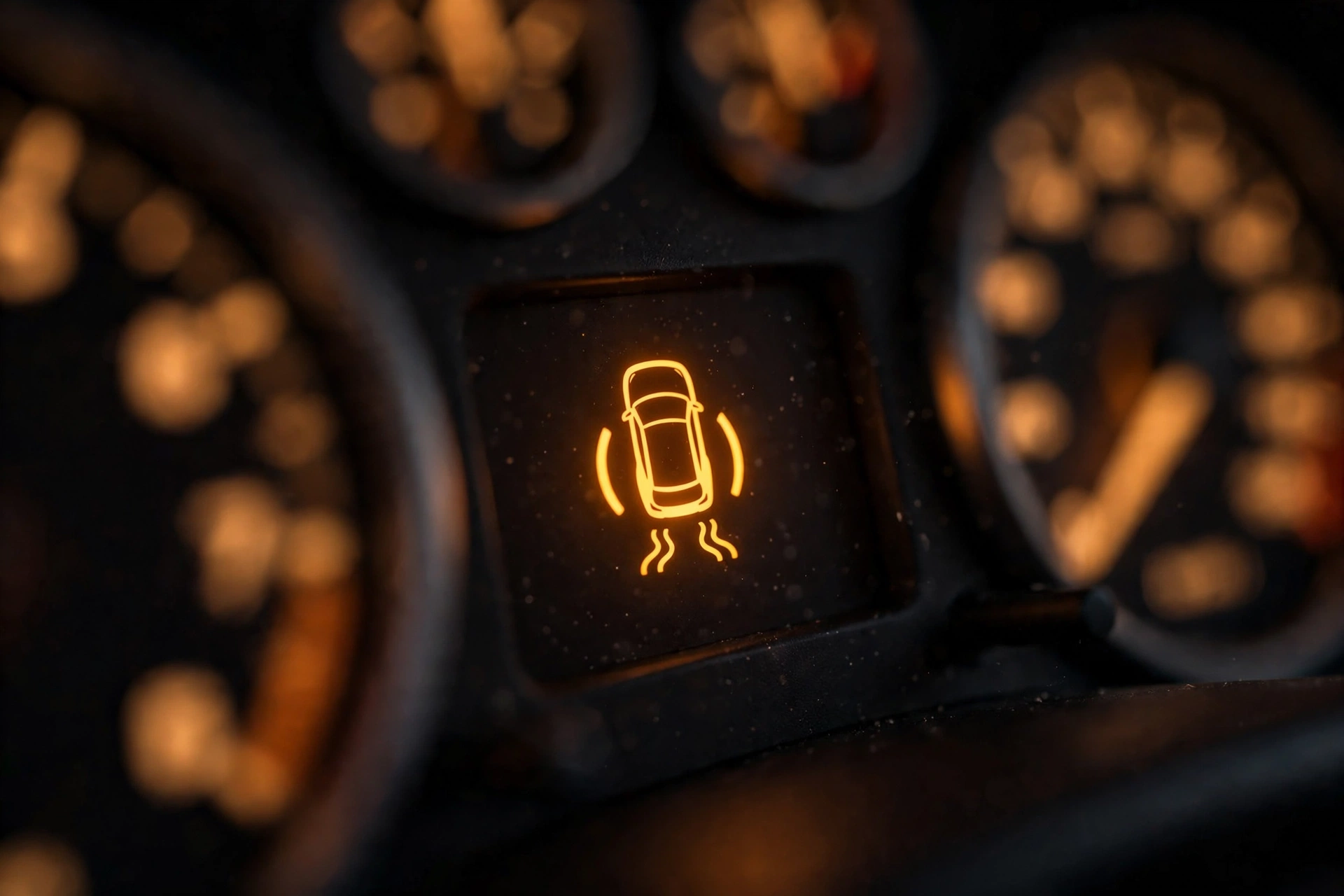
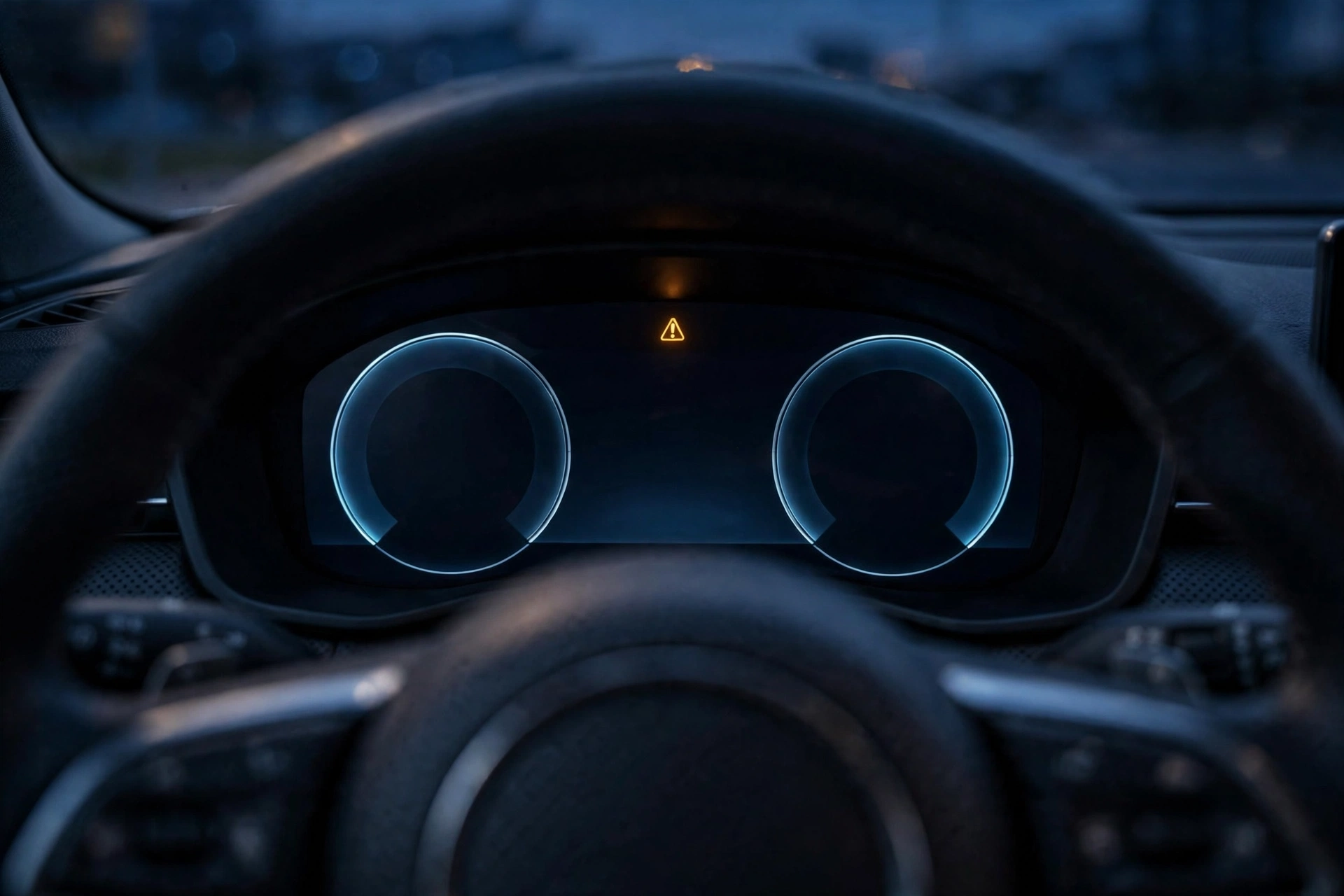
Your Honda — Civic, Accord, CR-V, Pilot, or an Acura — flashes a message on the instrument cluster: "Check Emission System." No other explanation. Just a vague warning that sounds expensive.
Take a breath. This is one of the most common Honda warnings — and the cause is often something small, like a gas cap that isn't fully tight. Below: what the warning means, a 5-minute checklist, the most common causes in plain English, and whether you can keep driving.
What the "Check Emission System" Warning Actually Means
Most cars show a generic check engine light whenever the computer finds a problem. Honda and Acura do something a little different: their computers separate emissions-related faults from other engine faults and show a dedicated "Check Emission System" message for the emissions ones.
In plain English: your car's computer (Honda calls it the PCM — powertrain control module) continuously monitors the parts that control exhaust pollution. When a reading falls outside the expected range, it stores a diagnostic trouble code and turns on this warning to tell you, "Something in the emission-control system needs attention."
The message is intentionally vague — it doesn't say which part failed. That's normal: the same warning covers anything from a loose gas cap to a failing catalytic converter.
Can You Still Drive? The Steady-vs-Flashing Rule
Here's the single most important distinction:
- Steady warning, car drives normally: You can usually drive the car carefully for a short distance — home, work, or a repair shop. Book a diagnostic check soon (this week, not next month). The problem may be minor, but emissions problems can damage other parts if ignored for weeks.
- Flashing check engine light, or the car is shaking, stalling, or has lost power: Pull over safely as soon as you can. A flashing light usually means a severe engine misfire, which can dump raw fuel into the exhaust and destroy the catalytic converter in minutes. Don't try to "make it home" on a long trip — get a tow or call roadside assistance.
If you're unsure which situation you're in, treat it as urgent. It's always cheaper to be cautious than to replace a catalytic converter. For a refresher on every dashboard symbol, see our dashboard warning lights guide.
What to Do in the First 5 Minutes: A Beginner's Checklist
Work through these steps in order:
- Notice how the car feels. Is the idle smooth or rough? Is there any unusual smell (rotten eggs, raw fuel), smoke from the exhaust, or loss of power? Make a mental note — a mechanic will ask.
- Check the gas cap — right now. A loose or cracked gas cap is the single most common cause of this warning. Open the fuel door, remove the cap, and screw it back on until it clicks several times. If the cap was loose, congratulations: you've likely found it.
- Give it a few drive cycles. After tightening the cap, the warning often clears on its own after a few normal drives (start, drive, shut off). If the light is still on after two or three days of driving, move to step 4.
- Get the codes read. Any auto parts store or repair shop can plug a small scanner into your car's diagnostic port (under the dashboard, near the steering column) and read the stored trouble code in minutes. The code — something like P0442 (small EVAP leak) or P0420 (catalyst efficiency) — tells you exactly which system to investigate. A detailed breakdown of this exact Honda warning shows how each cause maps to its code.
- Don't just clear the code and hope. Clearing a code without fixing the cause is like muting a smoke alarm. The warning will come back, and you may fail an emissions inspection in the meantime.
The 6 Most Common Causes, Explained in Plain English
1. A loose, damaged, or missing gas cap
Your fuel system is sealed — it captures gasoline vapors instead of letting them escape into the air. A loose cap breaks that seal, and the computer notices. This is the #1 cause and the cheapest fix: tighten it until it clicks and inspect the rubber seal for cracks. A worn cap is an inexpensive part at any auto parts store.
2. A leak in the EVAP (evaporative emissions) system
The EVAP system is the network of hoses, valves, and a charcoal canister that traps fuel vapors and feeds them back to the engine to burn. Common failures include a cracked hose, a stuck purge valve, or a damaged canister. Symptoms are usually mild — just the warning light — and shops pinpoint the leak with a smoke test.
3. An engine misfire
A misfire means one cylinder isn't firing properly — usually because of a worn spark plug, a failing ignition coil, or a dirty fuel injector. You'll often feel it as a rough idle, hesitation, or shaking. Unburned fuel from a misfire can overheat and destroy the catalytic converter — which is why a flashing check engine light is a stop-driving signal.
4. A failing oxygen (O2) sensor
Oxygen sensors measure how much unburned oxygen is in the exhaust so the computer can adjust the fuel mixture. When a sensor fails, the engine runs too rich or too lean — hurting fuel economy and emissions. A failing sensor usually triggers the warning without any dramatic symptoms, which is why many drivers are surprised by it.
5. A clogged or failing catalytic converter
The catalytic converter is the exhaust component that turns harmful gases into less harmful ones. When it clogs or wears out (often because of an ignored misfire or bad sensor), you may notice a rotten-egg smell, sluggish acceleration, or rattling under the car. This is the most expensive common cause — another reason to act early on the cheaper ones. Learn more in our explainer on what a catalytic converter does.
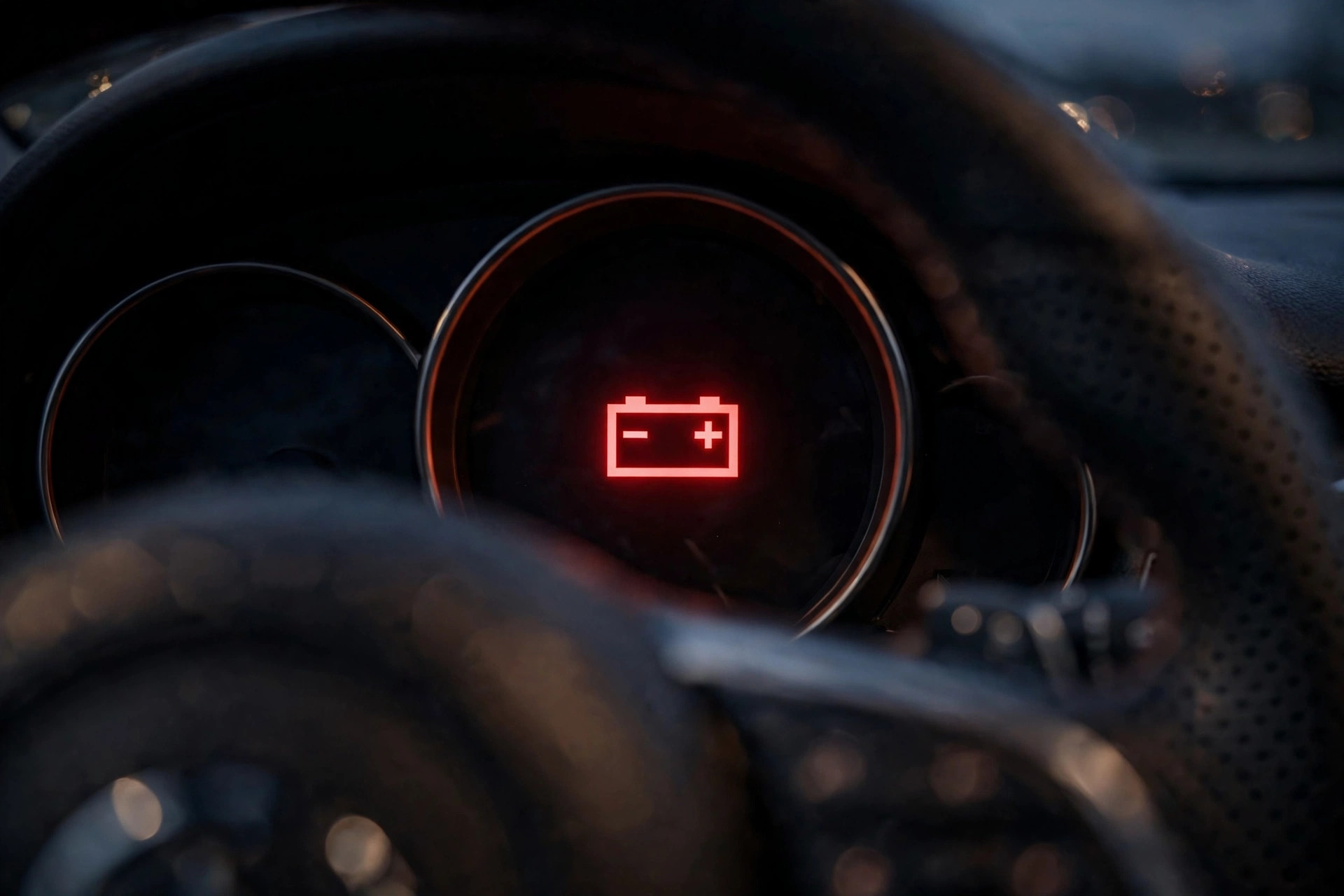
6. A weak 12-volt battery
This one surprises beginners: on modern Hondas, a dying battery can trigger false emissions warnings during startup. If your battery is 3+ years old or the engine cranks slowly, ask your mechanic for a quick voltage test before chasing other causes.
Will This Make You Fail an Emissions Inspection?
In states that require emissions testing: yes, if the warning is on when you go in, you will fail. The test checks your car's onboard diagnostic system, and an active emissions code is an automatic fail.
Important trap to avoid: some drivers disconnect the battery to clear the warning before a test. That erases the car's "readiness monitors" — self-checks that must complete over several days of driving. "Not ready" is also a fail, and you've hidden the code your mechanic needed. Fix the problem, drive normally for a few days, then get tested.
3 Things NOT to Do
- Don't disconnect the battery to "reset" the light. It wipes the diagnostic code your mechanic needs and resets the readiness monitors (see above).
- Don't ignore it for months. A $20 gas cap problem can snowball: a persistent misfire can kill a catalytic converter, and running rich wastes fuel every single day.
- Don't buy a miracle "emissions fix" additive as your plan. Some fuel-system cleaners are fine as maintenance, but no bottle diagnoses a cracked EVAP hose. Get the code read first — then decide.
Frequently Asked Questions
Can I drive my Honda with the "Check Emission System" light on?
Usually yes, for short trips, if the light is steady and the car drives normally. Drive gently, avoid long highway trips, and get the code read within a few days. If the light is flashing or the car shakes, stalls, or loses power, pull over and arrange a tow.
Will the light go off by itself after I tighten the gas cap?
Often, yes. If a loose gas cap was the only problem, the warning usually clears on its own after a few normal drive cycles. If it's still on after two or three days, get the codes read.
Is this the same as the check engine light?
Related, but not identical. On most brands, all of these faults would just show a check engine light. Honda and Acura split emissions-related faults into their own "Check Emission System" message. Our check engine light guide covers the generic version.
Does "Check Emission System" mean I need a new catalytic converter?
Not necessarily — a converter failure is one of several causes, and it's far less common than a gas cap, EVAP leak, or sensor issue. Never assume the worst (or buy parts) before reading the diagnostic code.
How urgent is this — today, this week, or whenever?
Use this rule: flashing light or drivability symptoms = today (tow if needed). Steady light, car drives fine = this week. The risk of waiting is that a small problem damages the catalytic converter, turning a small repair into a big one.
The Bottom Line
Honda's "Check Emission System" warning sounds alarming, but it's really the car asking for a diagnosis, not declaring a disaster. Start with the gas cap, note how the car feels, get the code read, and don't clear it with a battery disconnect. Follow that sequence and you'll usually find a simple, fixable cause — before it becomes expensive. For model-specific details, Honda's official owner portal lets you look up your exact year and model.
Warning lights like this rarely travel alone. Toyota owners face a similar brand-specific message — our Toyota VSC light guide explains that one the same plain-English way.