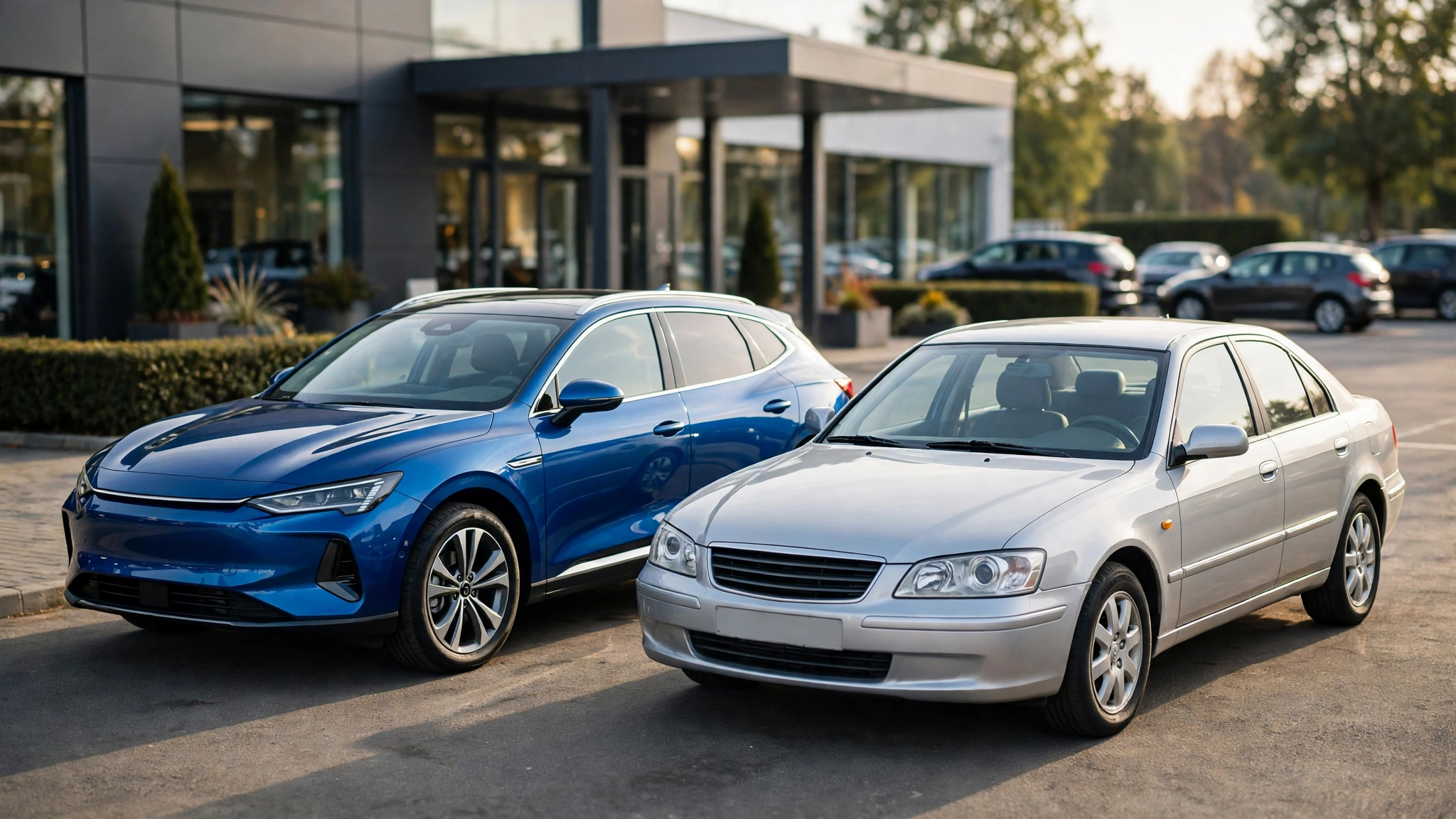
Buying your first car is exciting — and then the big question hits you: should you buy new or used? Almost every first-time owner gets stuck here, because both choices sound right. New means zero worries and a fresh start. Used means saving a lot of money.
There is no single correct answer. The right choice depends on your budget, how you will use the car, and how much risk you are comfortable with. This guide lays out the honest pros and cons of each option, the middle ground most beginners overlook, and a simple decision checklist so you can choose with confidence.
Why this decision matters more for beginners
Your first car shapes your early driving experience. New drivers are more likely to have small bumps, scratched bumpers, and curb rash on the wheels — that is simply part of learning. A car you are not terrified of scratching takes real pressure off.
At the same time, beginners often cannot diagnose problems early. A new car's warranty covers mistakes and surprises for the first few years, while a used car demands a sharper eye (and a pre-purchase inspection) to avoid inheriting someone else's problems. Your skill level is part of the equation, not just the money.
Buying a new car: the honest pros
Full warranty and zero history
You are the first owner. There is no hidden accident history, no worn-out parts, no mystery about how the car was treated. If anything major fails in the first few years, the manufacturer's warranty covers it — which is huge peace of mind when you cannot yet tell a worn bearing from normal engine noise.
The latest safety features
New cars come standard with safety tech that older used cars often lack: automatic emergency braking, lane-keep assist, blind-spot monitoring, and rear cameras. For a beginner driving solo for the first time, these features genuinely reduce crash risk. When checking any car, safety ratings from NHTSA and IIHS remain worth a look.
Predictable running costs
For the first few years, a new car needs almost nothing beyond scheduled servicing. No surprise repairs, no MOT/emissions surprises, no tyres due immediately. That predictability is valuable when your budget is already stretched by insurance and fuel.
Better finance deals
Dealers regularly offer lower interest rates, manufacturer-subsidised loans, and flexible payment plans on new cars. Used-car financing usually carries higher rates. If you must finance, new-car deals can partly offset the higher price.
Buying a new car: the honest cons
Depreciation hits hardest in year one
A new car loses roughly 20% of its value the moment you drive it off the lot, and around half within the first three years. That is thousands gone no matter how carefully you drive. For a first-time buyer, absorbing that loss stings — especially if you plan to sell or upgrade in a couple of years.
Much higher upfront cost
You pay full sticker price plus taxes and fees. That often means a bigger loan, larger monthly payments, and higher insurance premiums (insurers charge more to cover a brand-new car). For many beginners, that monthly payment leaves too little room for maintenance, fuel, and the inevitable small repairs.
First-scratch anxiety is real
Every tiny dent in a brand-new car feels like a personal failure. New drivers scrape things — it is part of learning. If you will lose sleep over every parking-lot ding, a new car adds stress rather than joy.
Buying a used car: the honest pros
You save a lot of money upfront
This is the headline reason. A 3–5-year-old car has already taken its biggest depreciation hit, so you can often get far more car for the same money — or the same car for far less money. Lower purchase price also means cheaper insurance premiums in most cases.
Someone else absorbed the depreciation
Buy a car that is a few years old and the value curve flattens out. If you sell it in two or three years, you lose far less than the first owner did. For a first car you will probably replace as your needs change, that matters.
More choice for the same budget
A fixed budget goes much further on the used market. You can often afford a higher trim level, a more reliable model, or a larger, safer car than you could buy new — which directly improves your first driving experience.
Less stress about minor damage
A car with a few existing scuffs is liberating for a new driver. That kerbed wheel or car-park ding is much less painful when the car was not pristine to begin with.
Buying a used car: the honest cons
Unknown history and hidden problems
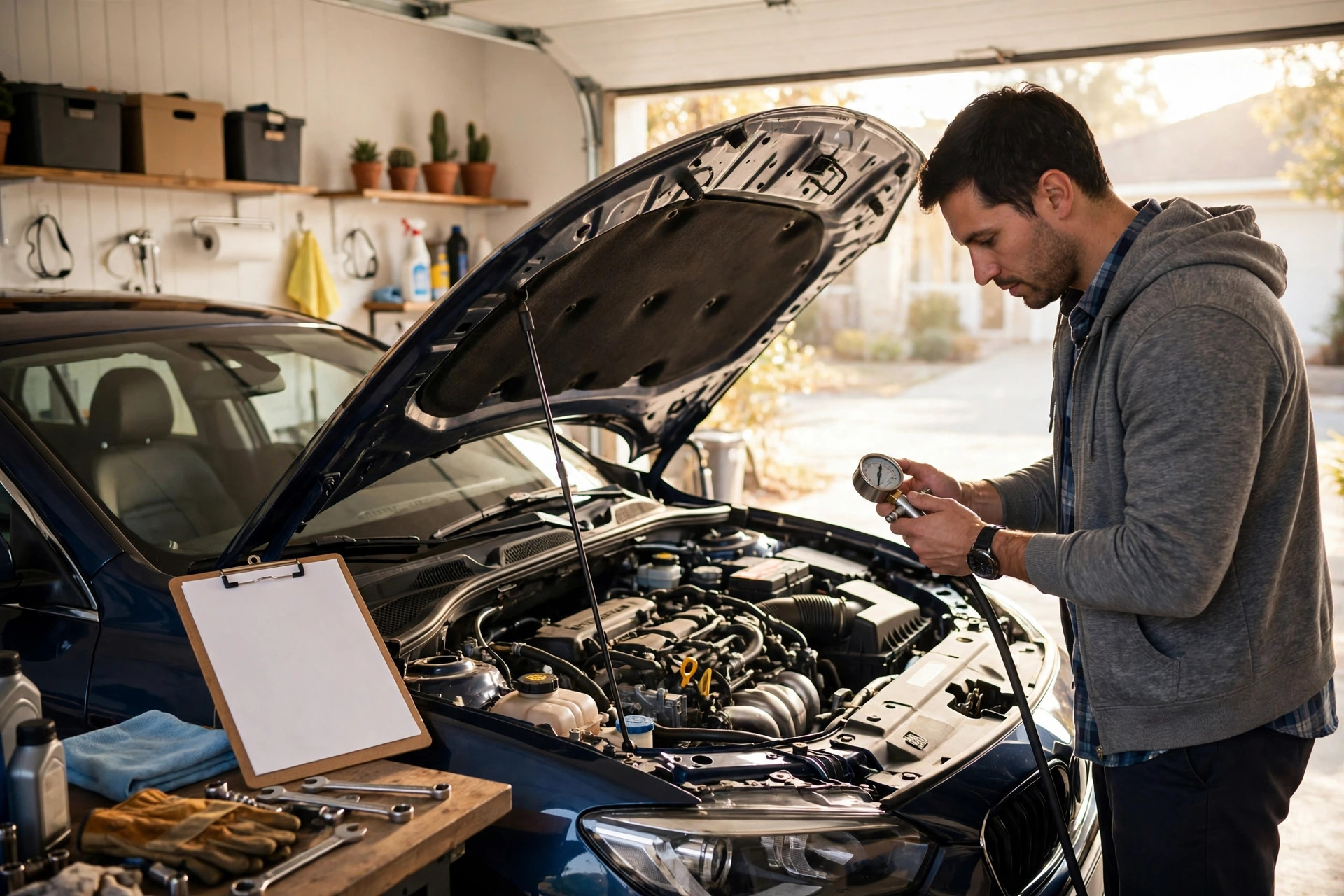
You are buying someone else's maintenance habits. A missed oil-change history, unreported accident damage, or a failing transmission can hide behind a clean exterior. Always check the vehicle history report and — this is non-negotiable for beginners — get an independent pre-purchase inspection from a trusted mechanic before you pay.
Higher repair and maintenance risk
Tyres, brakes, battery, and suspension parts all wear with age and mileage. A used car will need these sooner than a new one. Budget for a battery replacement if the car is several years old, and expect wear items like brake pads to come due sooner. Set aside a repair fund from day one.
Warranty is limited or gone
Once the factory warranty expires, repairs are your problem. Some nearly-new cars still carry a transferable warranty balance — worth asking about — but most used cars are bought as-is. That is why the inspection matters so much.
Higher financing costs
Used-car loans typically carry higher interest rates than new-car deals, and lenders are stricter about older, high-mileage cars. Factor the true cost of the loan, not just the monthly payment.
The middle ground most beginners miss: nearly new cars
If new is too expensive and a 7-year-old car feels risky, there is a sweet spot: nearly-new or certified pre-owned cars, typically 1–3 years old with low mileage. These cars have already dropped in price substantially but often still carry a balance of the factory warranty, have modern safety features, and come with a full dealer inspection.
Certified pre-owned programs add a manufacturer-backed inspection and extended warranty, which makes them especially beginner-friendly. You pay more than a regular used car, but less than new — and the warranty removes most of the history risk.
Which should you choose? A beginner's decision checklist
Run through these questions honestly:
- What is your total budget, including insurance? If a new car's monthly payment plus higher insurance leaves no room for fuel and maintenance, buy used.
- How long will you keep the car? Keeping it 5+ years shrinks the new-car depreciation pain; upgrading in 2–3 years favours used.
- Can you pay for an independent inspection? If yes, used becomes much safer. If no, lean new or certified.
- How comfortable are you with surprise repairs? New = predictable. Used = cheaper but less predictable.
- Will you park on the street or in tight spots? Heavy city use favours a car you will not stress over — used.
- Do you need the newest safety tech? If maximum driver-assistance features matter to you, new wins.
For most first-time buyers, the honest recommendation is this: a 2–5-year-old used car from a reliable brand, with a clean history and an independent inspection, is the smartest first car. It balances cost, reliability, and low stress better than either extreme. Read our 15-point first car pickup checklist before you drive any car home.
Frequently asked questions
Is it smarter for a beginner to buy a new car?
Not usually. Most beginners are better served by a used car: lower cost, cheaper insurance, and less stress about the inevitable small scratches. New makes sense only if your budget comfortably covers the higher price and insurance, and you value warranty and the newest safety tech above saving money.
How old is too old for a first car?
There is no magic number, but cars older than about 8–10 years typically need more frequent repairs and lack modern safety features. A good target for a beginner is 2–6 years old: most depreciation has happened, but the car is modern enough to be safe and reliable.
Should I get a pre-purchase inspection on a used car?
Yes — every time. An independent mechanic inspection costs far less than one surprise repair and can reveal accident damage, worn suspension, failing brakes, or a dying battery that you cannot spot yourself. Walk away from any seller who refuses one.
Is certified pre-owned worth it for beginners?
Often, yes. Certified cars cost more than regular used cars, but the manufacturer inspection and extended warranty remove most of the risk that scares beginners about buying used. It is the easiest safe entry into used-car ownership.
Does buying new mean I skip maintenance?
No — new cars still need regular oil changes, tyre checks, and scheduled servicing to keep the warranty valid. New just means the expensive surprise repairs are far less likely in the first few years. Keep an emergency kit in the boot either way.
Conclusion
New buys you peace of mind and the latest safety tech; used buys you value and freedom from first-scratch anxiety. Most beginners win with the middle path — a lightly used, well-inspected car — because it leaves budget for insurance, maintenance, and actually enjoying the car.
Whatever you choose, do two things: check the car's safety ratings before you commit, and have a trusted mechanic inspect any used car before money changes hands. A good first car is not the newest or the cheapest — it is the one that fits your budget and your life. For a broader view of what makes a safe first car, see Lemonade's first-time buyer's guide and the RACV's new vs used comparison.