
Summer feels wonderful when you're driving with the windows down — but extreme heat and strong UV rays are quietly hard on your car. Unlike winter, where problems show up instantly (a dead battery on a freezing morning), heat damage works slowly: coolant evaporates, tires age faster, batteries weaken, paint oxidizes, and interiors fade and crack. By the time you notice, the bill is already large.
The good news: summer car care is mostly about simple checks and smart parking habits, not expensive repairs. This guide walks you through exactly what heat does to each part of your car and what you can do about it — no mechanical experience needed.
1. Protect the cooling system first
Your engine already runs hot; summer heat pushes it harder. The cooling system — radiator, hoses, coolant, fan, and thermostat — is what keeps it from overheating, and it deserves the top spot on your summer checklist.
- Check the coolant level monthly. With the engine stone cold (never open the cap on a warm engine), look at the translucent reservoir — the level should sit between the MIN and MAX marks. Our detailed walkthrough covers how to check your coolant level step by step.
- Look under the hood for leaks. Puddles or crusty residue (often green, orange, or pink) near the radiator or hoses mean coolant is escaping.
- Squeeze the radiator hoses. They should feel firm, not soft, spongy, or cracked. Heat makes weak hoses fail suddenly.
- Watch the temperature gauge. If it climbs toward the red in traffic or on hills, turn off the A/C, turn the cabin heater on (it pulls heat off the engine), and pull over somewhere safe if the needle keeps rising. We have a full emergency plan in what to do when your car overheats.
2. Watch your tires in the heat
Heat is one of the leading contributors to tire blowouts. Hot asphalt raises tire pressure, and an underinflated tire running on it flexes more, builds even more heat, and can fail without warning.
- Check pressure when the tires are cold — ideally first thing in the morning, before driving. Use the pressure printed on the door-jamb sticker or owner's manual, not the number on the tire sidewall. Never let air out of hot tires after a drive; the reading will be falsely high. See how often to check your tire pressure for the full routine.
- Check monthly, not just in winter. Pressure drifts down over time regardless of season.
- Inspect the sidewalls. Heat and UV accelerate tire aging — look for fine cracks or bulges, especially on tires older than five years. A bulge means the tire could fail; replace it before any long summer drive.
- Don't skip the spare. It's sitting in a hot trunk all summer; make sure it has air in it when you need it.
3. Your battery hates summer more than winter
Most people blame winter for battery trouble, but summer is the real battery killer. High temperatures speed up the chemical reactions inside the battery and evaporate its fluid, which damages the internal components. The damage often shows up months later as a "sudden" winter failure — it actually started in the summer.
- Keep terminals clean and tight. Heat accelerates corrosion; white or green crust on the terminals weakens the connection.
- Make sure the battery is clamped down securely. Vibration from rough summer roads wears it out faster.
- Get it tested if it's over three years old. Most auto parts stores test batteries for free. A battery that tests weak in August will almost certainly leave you stranded in December.
4. Keep the cabin cool and protect the interior
A parked car's interior can reach 60°C (140°F) or more in direct sun. That heat fades and cracks dashboards, warps trim, dries out leather seats, and makes the steering wheel painfully hot.
- Use a windshield sunshade every time you park. It's the single cheapest, most effective summer accessory — a good reflective shade noticeably lowers dashboard temperatures and slows fading.
- Park in the shade whenever you can. A shaded spot beats a closer sunny one every time. If street parking, try the shady side of the street.
- Crack the windows slightly when it's safe to do so, so hot air can escape instead of building up.
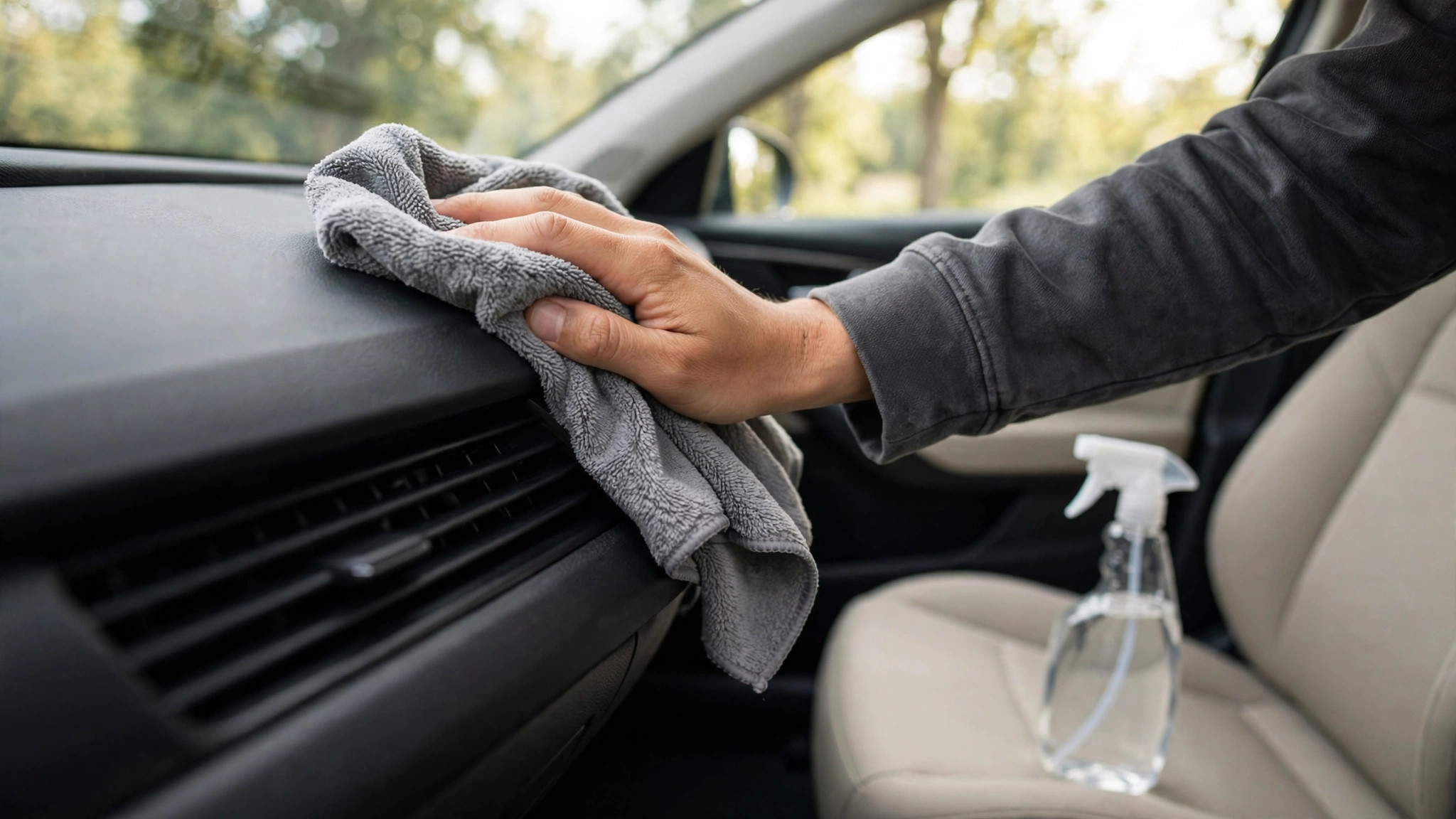
- Condition leather and vinyl. A quick wipe with an interior protectant a few times over summer slows cracking and drying.
- Never leave kids or pets in a parked car. Cabin temperatures turn dangerous in minutes. Always check the back seat before you walk away — make it a habit, not a hope.
5. Protect the paint from UV and baked-on grime
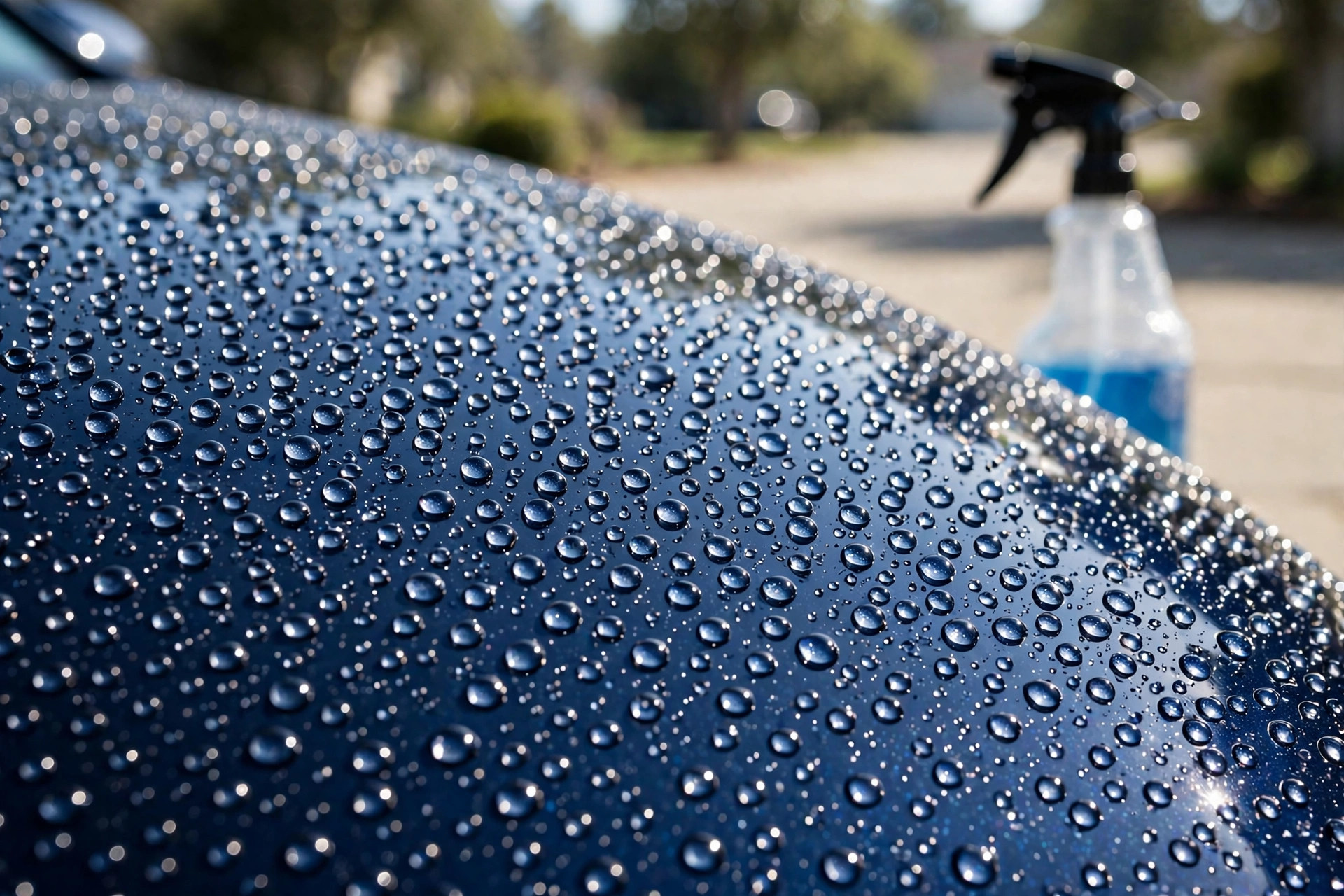
UV radiation attacks your car's clear coat first, causing oxidation — that dull, chalky look that makes paint look old long before its time. Summer makes everything worse: bug splatter, bird droppings, and tree sap bake onto the paint in the heat and can permanently stain or etch it.
- Wash regularly, especially after highway trips. Bug splatter is acidic; the longer it bakes in the sun, the more likely it is to damage the finish.
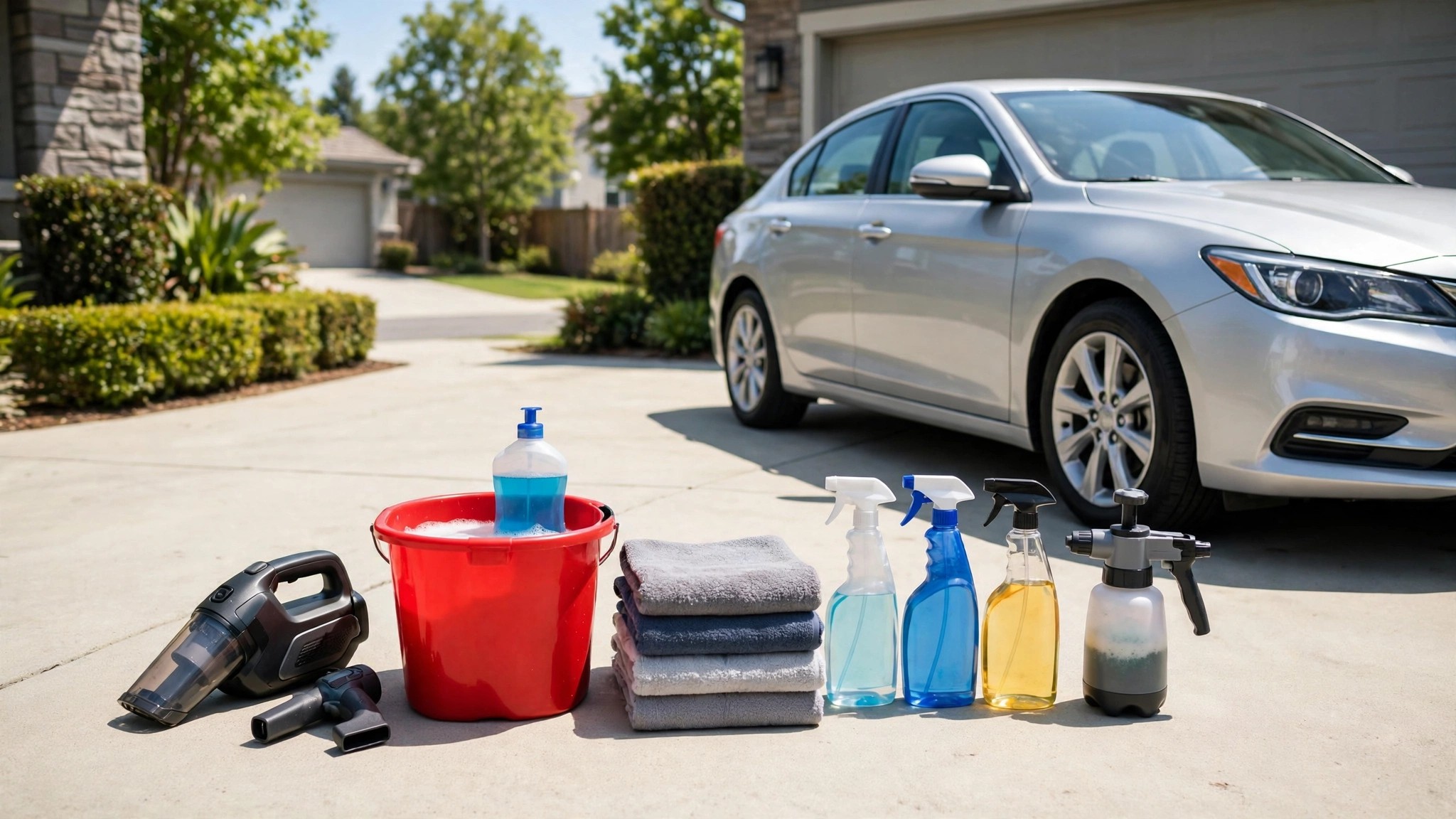
- Wax or seal before summer peaks. A coat of wax or spray sealant gives the paint a UV barrier and makes baked-on grime wash off easily. Our beginner's car-wash guide covers the safe two-bucket method.
- Wash in the shade or early morning. Washing in direct heat lets soap and water dry into mineral spots before you can rinse them off.
- Remove bird droppings and sap the same day if you can — they're the two summer contaminants most likely to leave a permanent mark.
6. Test the air conditioning early
Your A/C has been resting all winter. Test it before the first real heatwave, not during it.
- Run it for 10 minutes and check the airflow. Air should be cold within a couple of minutes. Weak cooling or a musty smell can mean low refrigerant or a clogged cabin air filter.
- Listen for strange noises when it kicks in — grinding or clicking deserves a mechanic's look.
- Run the A/C for 10 minutes every week or two year-round. It keeps the compressor seals lubricated so the system doesn't develop leaks from sitting idle.
7. Keep fluids topped up
Heat thins fluids and evaporates them faster.
- Engine oil: heat makes oil break down faster; stick to your oil-change interval, or do it a little early before a long summer road trip.
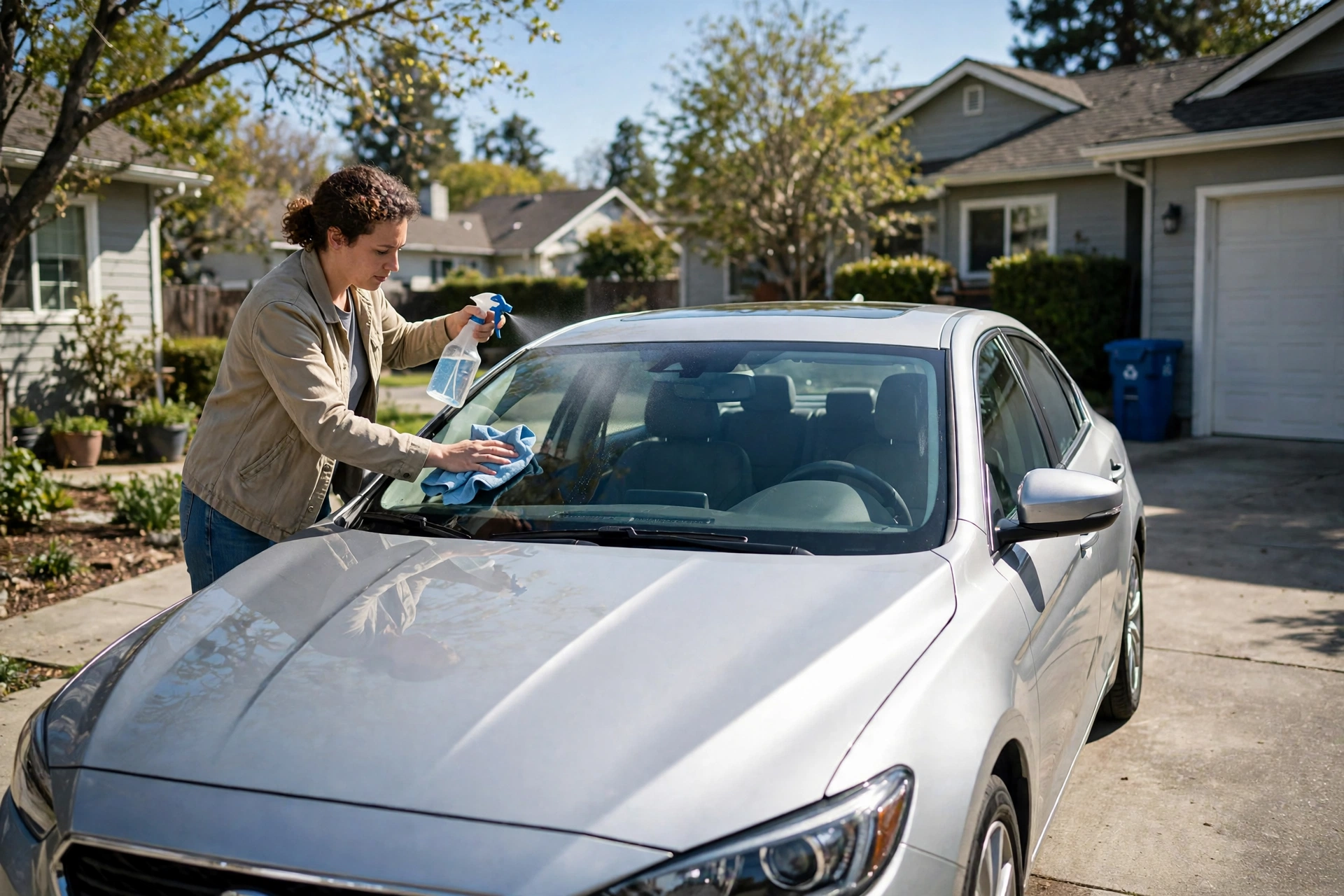
- Windshield washer fluid: summer bugs and dust eat through it quickly — keep the reservoir full so you're never blind on a dusty road.
- Coolant and transmission fluid: check both before any long trip. For automatics, check the level with the engine warm.
Your summer routine at a glance
Do this once at the start of summer, then repeat the quick checks monthly:
- Check coolant level (engine cold).
- Check tire pressure (tires cold) + inspect sidewalls.
- Check battery terminals and mounting.
- Test the A/C.
- Check oil and washer fluid levels.
- Give the paint a wash and a coat of wax.
- Keep a sunshade in the car and park in the shade.
None of these takes more than a few minutes, and together they prevent the exact breakdowns that strand drivers on the hottest days of the year. Pair this with our winter car care checklist and your car is covered year-round.
Frequently asked questions
Does summer heat really damage car batteries?
Yes — more than winter does. Heat accelerates the chemical reactions that wear a battery out and evaporates its internal fluid, damaging the components. The failure often doesn't show until cold weather arrives, which is why a battery that tests weak in summer should be replaced before winter.
Should I let air out of my tires when it gets hot?
No. Set the pressure to the manufacturer's recommended number when the tires are cold (before driving), and leave it alone. Hot readings will look high, but that's normal — never release air from warm tires.
What's the best way to protect my car's paint from the sun?
A combination: park in the shade when possible, wash off bug splatter and droppings promptly, and apply a coat of wax or sealant before summer. Wash in the shade or early morning so water doesn't dry into mineral spots.
Is it safe to open the radiator cap if the car is overheating?
No — never open a hot radiator cap. The system is pressurized, and opening it can cause scalding coolant to erupt. Let the engine cool for at least 30 minutes, then check the coolant reservoir (not the radiator cap) once everything is cold.
How often should I run the air conditioning?
Run it for about 10 minutes every week or two, even in winter. This keeps the compressor seals lubricated and prevents the refrigerant system from developing leaks during long idle periods.
Sources consulted for this guide: Firestone Complete Auto Care — preventing sun & heat damage; NRMA — how to protect your car from the sun.