
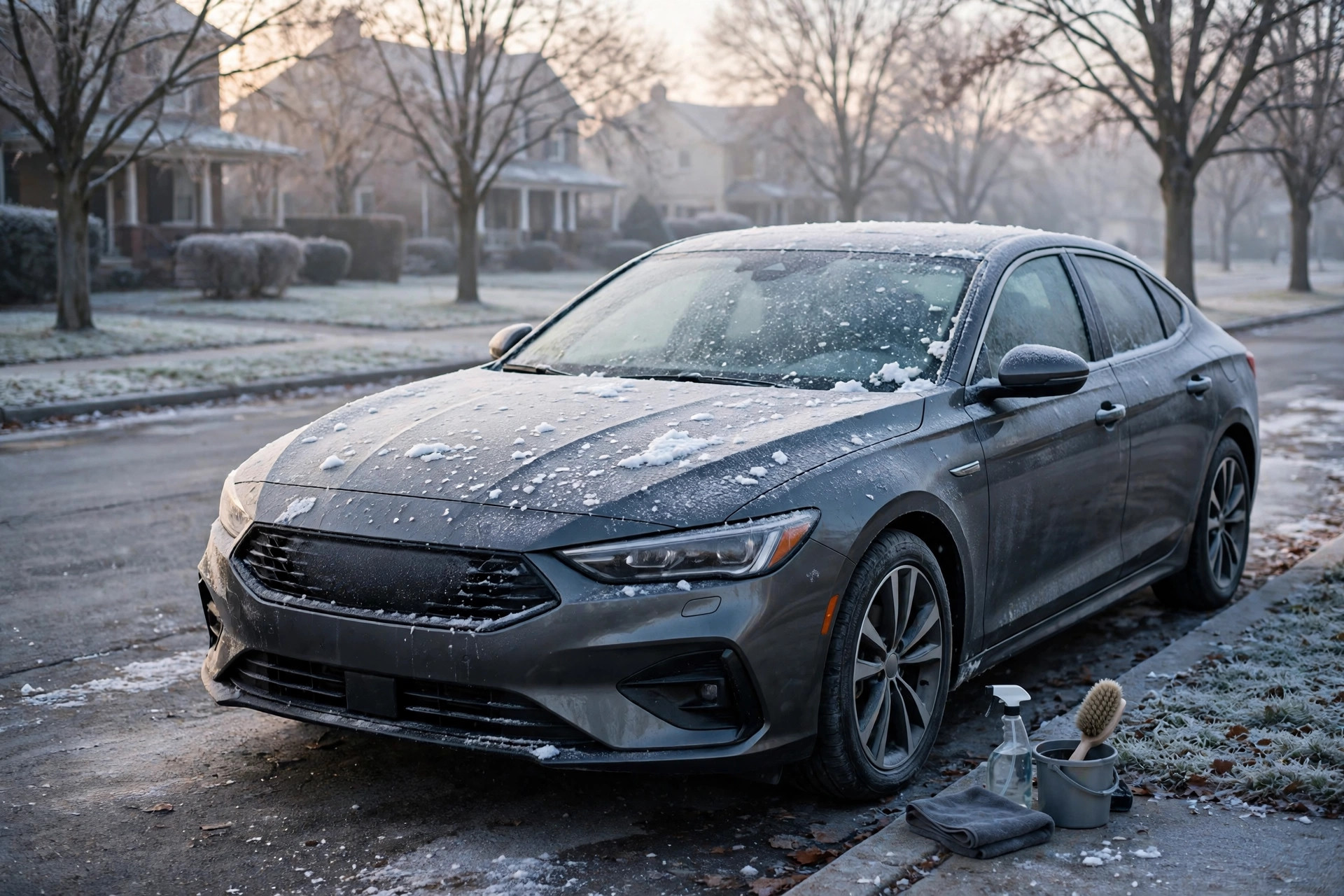
Winter arrives earlier than you think, and a car that ran perfectly all summer can refuse to start on the first frosty morning. Cold weather makes engines harder to start, drains batteries faster, drops tire pressure, stiffens wiper blades, and turns road salt into paint damage.
The good news: almost all winter breakdowns are preventable with simple checks you can do yourself in a single afternoon. This guide walks you through ten beginner-friendly things to do before the cold sets in — no special tools, no mechanical experience needed.
1. Test your battery before it tests you
Car batteries fail more in winter than in any other season. Cold reduces a battery's cranking power at the exact moment the engine needs extra effort to turn over — and you'll be running the heater, headlights and defroster at the same time.
Warning signs to watch for:
- The engine turns over slowly or sounds tired when starting
- Headlights dim briefly when you crank the engine
- The battery warning light comes on
- The battery is more than three years old
What to do: pop the hood and look at the terminals. If you see white or greenish crusty buildup, clean the corroded battery terminals before they cause starting trouble. If the battery is over three years old or starting feels sluggish, have it tested at any auto parts store — most do it free. A failing battery is far cheaper to replace in daylight than to discover at 6 a.m. in freezing weather.
2. Check your tires — tread and pressure
Your tires are the only thing touching the road, and cold, wet, icy surfaces demand good grip. Two checks matter:
Tread depth: Do the coin test. Insert a quarter into the tread with the figure's head down. If the top of the head is visible, your tread is getting shallow — consider replacing before winter. Also look for cuts, cracks and bulges on the sidewalls.
Pressure: Tire pressure drops about 1 PSI for every 10°F (roughly 5.5°C) the temperature falls. Check pressure with a gauge when the tires are cold and inflate to the number on the driver's door jamb sticker — not the number on the tire sidewall. If you live where snow is heavy, ask a local shop about winter or all-season tire options.
3. Confirm your coolant has antifreeze protection
Your coolant (antifreeze) keeps the engine from overheating in summer and from freezing in winter. Before winter, make sure:
- The coolant level in the reservoir sits between the MIN and MAX lines (check with a cold engine — never open the radiator cap when hot)
- The coolant looks clean, not rusty or oily
- Your owner's manual's recommended antifreeze type is what's in the system
If the level is low or the fluid looks dirty, have the cooling system checked before temperatures drop. A frozen engine block is one of the most expensive repairs a beginner can face.
4. Check your engine oil
Cold makes oil thicker and slower to flow, so old, degraded oil makes winter starts harder and increases engine wear. If you're close to your next oil change anyway, getting it done before winter is smart timing. Otherwise, check the dipstick: oil should be amber and translucent, not black and gritty, and the level should sit between the marks. Top up if low, and change it if it's overdue.
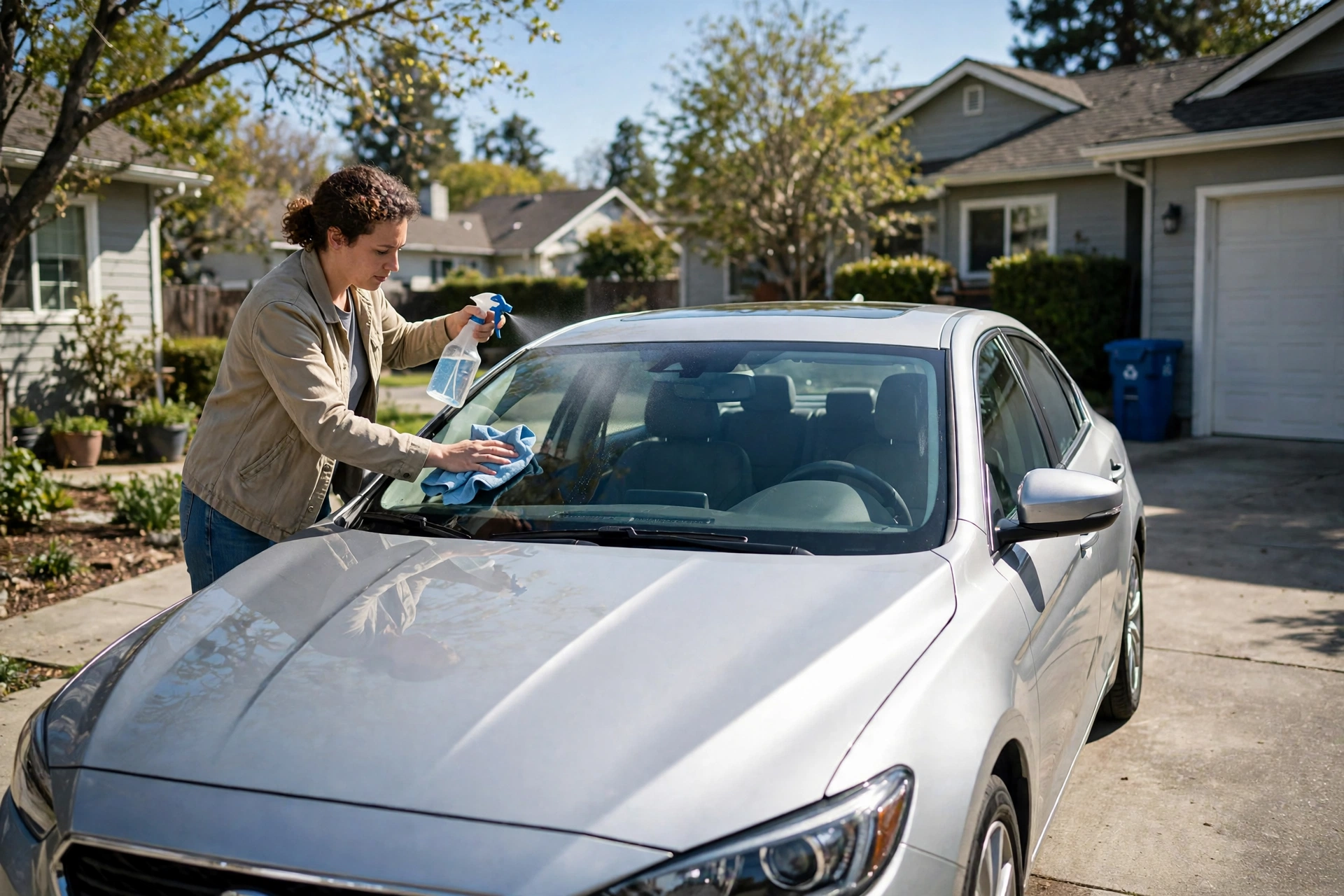
5. Fix your wipers and switch to winter washer fluid
You can't see, you can't drive. Winter wipers take a beating from frost and slush, so:
- Replace blades that streak, skip or smear — this takes two minutes and no tools
- Refill the washer reservoir with a winter-rated washer fluid that won't freeze — plain water or summer fluid can freeze in the lines and crack them
- Carry a spare jug of winter washer fluid in the trunk
Tip: never pour hot water on a frosty windshield to clear it. The sudden temperature change can crack the glass. Use the car's defroster and an ice scraper instead — see our quick defogging guide for the fastest method.
6. Check every light on the car
Winter means driving in the dark much more often. Have someone stand outside while you test: headlights (low and high beam), brake lights, turn signals, hazards and reverse lights. Replace any dead bulbs, and wipe the lenses — winter road grime cuts light output fast. Check that the headlight beams look even; if one points at the sky, have it adjusted.
7. Listen to your brakes
Wet and icy roads increase stopping distances, so brakes deserve attention before winter. Pay attention to warning signs: squealing or grinding noises, a spongy or low pedal, or the car pulling to one side when braking. If you notice any of these, get them checked before the first storm — not after. Your brakes are the last system you want to "wait and see" about in winter. If anything feels off and you're unsure, see a mechanic.
8. Pack a winter emergency kit in the trunk
Even a well-prepared car can get stuck in bad weather. Keep these in the trunk all winter:
- Ice scraper and snow brush
- Jumper cables or a portable jump starter
- Flashlight with extra batteries
- Warm blanket and gloves
- A small bag of sand or kitty litter (traction if you're stuck)
- Phone charger or power bank
- Extra winter washer fluid
- First-aid kit
Add snacks and water if you drive long distances. A kit like this turns a miserable wait into a manageable one — and pairs well with the year-round emergency kit every new driver should keep.
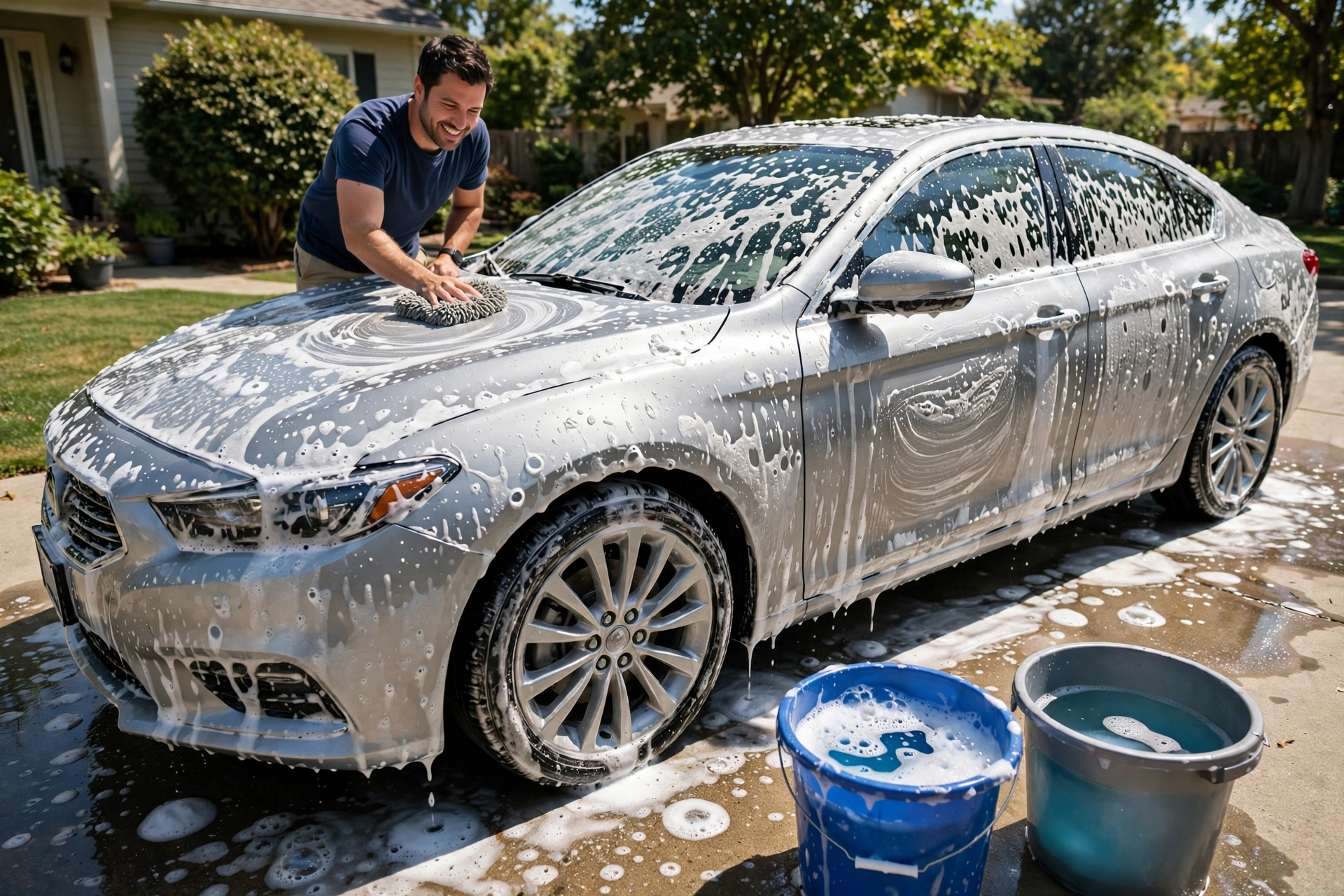
9. Wash your car and protect the paint
Road salt eats metal. Before winter, give the car a thorough wash (including the undercarriage if possible) and apply a coat of wax or sealant to the paint. The wax layer helps salt and slush wash off more easily all season. Plan to wash the car periodically through winter too — letting salt sit for months is what causes rust.
10. Keep the fuel tank half full — and think about parking
Keep your tank at least half full through winter. It reduces condensation forming inside the tank and, more practically, means you're never stuck with an empty tank if traffic or weather delays you. If you park outside, back in where possible so you can drive out forward in the morning, and lift the wipers off the windshield overnight when frost is expected so they don't freeze to the glass.
Frequently asked questions
How early should I prepare my car for winter?
Do your checks in the fall, before the first hard freeze — ideally a few weeks before your area's coldest weather typically arrives. Shops get busy and parts run out once the cold hits.
Do I really need winter tires?
It depends on your climate. If you get regular snow and ice, winter tires are the single biggest safety upgrade you can make. In mild climates, good all-season tires with healthy tread are enough.
Why does my car struggle to start in the cold?
Three main reasons: the battery produces less power when cold, engine oil thickens so the starter works harder, and worn spark plugs or fuel components fire less reliably. If a fresh battery doesn't fix it, see a mechanic.
Should I warm up my car before driving in winter?
Modern cars only need about 30–60 seconds of idling. Long idling wastes fuel and doesn't warm the engine efficiently. Start driving gently after half a minute and the engine warms faster under light load.
Is it safe to pour hot water on an icy windshield?
No. Sudden heat can crack the glass, and the water refreezes quickly anyway. Use an ice scraper and the car's defroster instead.
Final word
None of these ten checks is hard, and together they take a single weekend afternoon. Test the battery, check the tires and fluids, sort the wipers and lights, pack the kit, protect the paint, and keep the tank half full. Do that before the first freeze, and you'll drive through winter confident instead of hoping for the best. For more detail, the AA's winter car essentials checklist and Firestone's winter car maintenance checklist are solid second opinions. If any check feels beyond your comfort level — especially anything involving the battery, brakes or cooling system — a trusted mechanic can cover the whole list in one visit.