
You filled your tires last week and the warning light went off. Then this morning, there it is again: that horseshoe-shaped light with the exclamation mark. You didn't hit anything and the tires look fine. So why does the tire pressure light keep coming back?
A tire pressure light that returns again and again is telling you something specific: the pressure is dropping repeatedly, or the monitoring system itself has a fault. Topping up the air treats the symptom; finding the cause fixes it. This guide walks through the five most common reasons the light keeps returning, what to do about each one, and the safety line you shouldn't cross.
First, a quick refresher: the TPMS (Tire Pressure Monitoring System) light means one or more tires is significantly under-inflated — usually about 25% or more below the recommended pressure. If you haven't read it yet, our guide on how often to check tire pressure explains the basics of keeping them right.
Steady Light vs. Blinking Light: Read It Correctly
Before anything else, notice how the light behaves when you start the car:
- Steady light: a pressure problem. One or more tires is under-inflated right now. Check and inflate them.
- Blinking for about a minute, then steady: a system fault. The monitor itself has a problem — often a dead or damaged sensor — rather than a simple low tire. This needs a shop diagnosis, not just more air.
Knowing which one you're seeing saves you from chasing the wrong fix. For the rest of this guide, we're talking about the steady light that keeps returning.
Is it safe to keep driving? For a short distance at moderate speed, usually yes — drive carefully to the nearest air pump or tire shop. But don't ignore it or drive far and fast on a significantly under-inflated tire: it overheats, wears badly, and can fail suddenly. If any tire looks visibly flat, bulges, or the car pulls strongly to one side, stop driving on it — fit the spare or call roadside assistance.
The 5 Most Common Reasons It Keeps Coming On
1. A slow leak you can't see
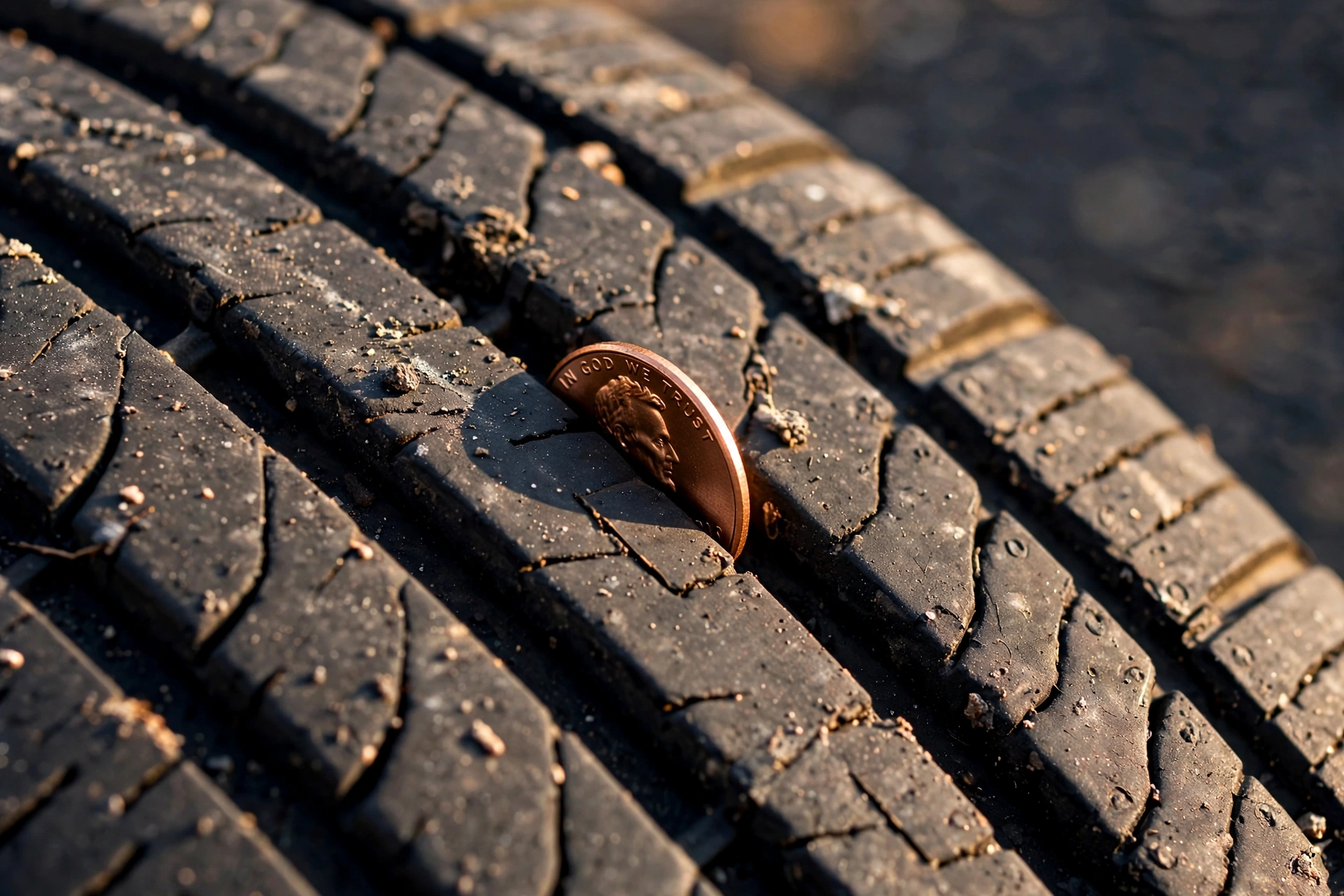
This is the number one cause. A nail or screw in the tread, a leaking valve stem, or a poor seal where the tire meets the rim can let air escape over days — slowly enough that the tire looks normal but the light returns every week or two. Inflating masks it temporarily; the leak is still there.
The fix: have a tire shop inspect the tire. A puncture in the tread area can usually be properly repaired for about $20–$40. Punctures in the sidewall can't be safely repaired — that tire needs replacing. Skip the aerosol sealant cans as a first resort: many can damage TPMS sensors, and shops often charge extra to clean the mess out before doing a proper repair.
2. Temperature drops
Tire pressure falls about 1 psi for every 10°F (5.6°C) drop in temperature. A cold snap overnight can easily push a borderline tire below the warning threshold by morning — and the light may clear itself once driving warms the tires up. If your light appears on cold mornings and vanishes later in the day, this is almost certainly why.
The fix: check pressures when the tires are cold and inflate to the door-jamb specification. Recheck whenever the seasons change. Tire Rack's tire pressure guide explains the temperature effect clearly.
3. A dying TPMS sensor battery
Each wheel has a small sensor with its own sealed battery, and those batteries last roughly 5–10 years. As one weakens, its readings become intermittent — the light comes and goes, or the system throws a fault. On an older car with the original sensors, this is a prime suspect.
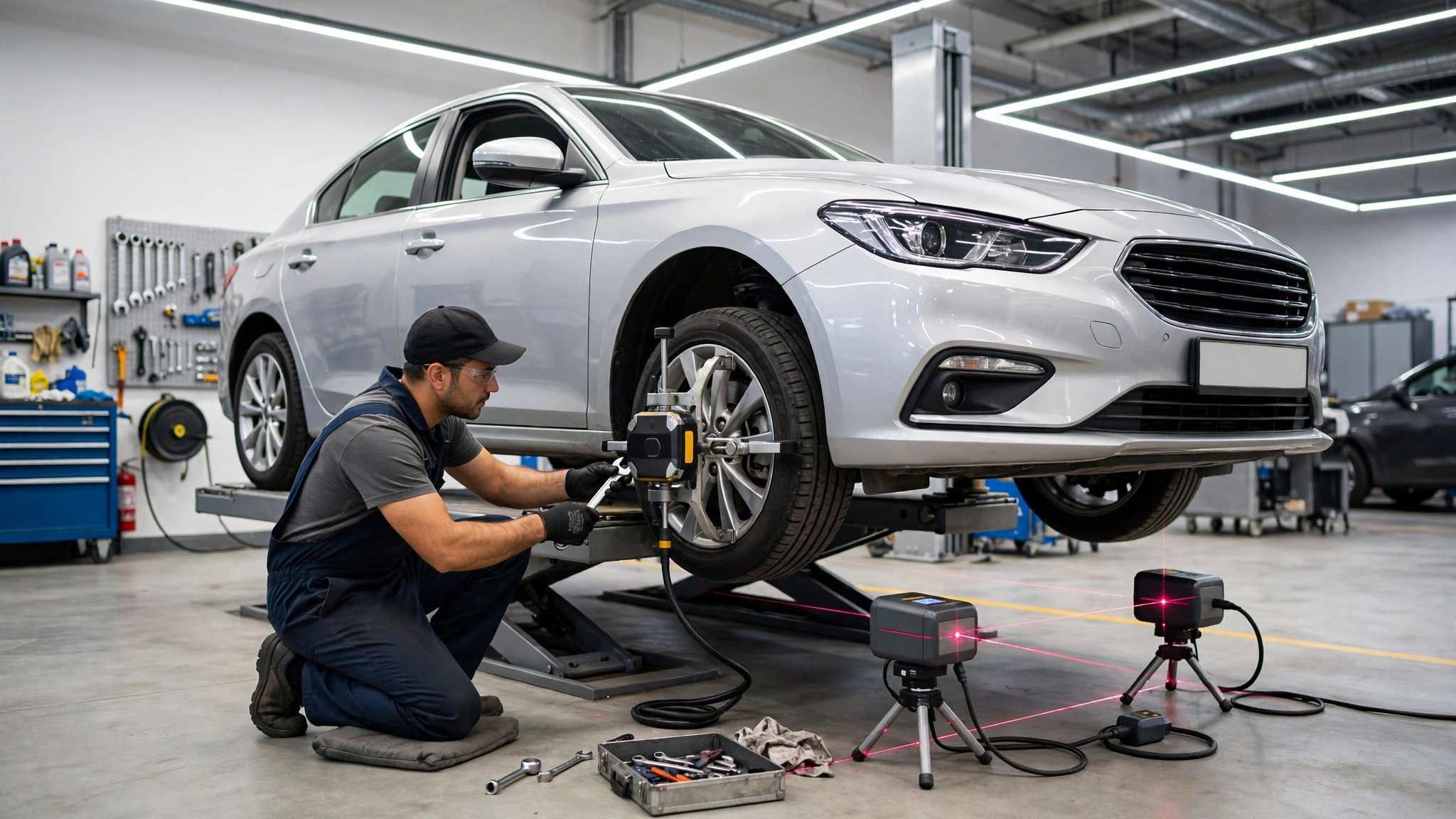
The fix: a shop can test the sensors and replace the failing one. Expect roughly $50–$200 per wheel including the relearn procedure, depending on your car.
4. The system wasn't reset after tire work
After a tire rotation, a new tire, or a sensor replacement, many cars need a TPMS relearn or reset procedure before the system reads correctly. Without it, the light may stay on or behave erratically even though pressures are perfect.
The fix: check your owner's manual for the reset procedure — some cars do it through a dashboard menu, others need a shop tool. If a shop did the tire work, take it back and ask them to complete the relearn.
5. The forgotten spare
On some vehicles the TPMS also monitors the spare tire. A spare slowly losing air in the trunk or under the car can trigger the light even when all four road tires are perfect — and it's the last place anyone thinks to check.
The fix: check the spare's pressure too (spares often need a higher pressure — see your manual). While you're at it, make sure you know how to change a flat tire before you actually need to.
What to Do, Step by Step
- Check all four tires plus the spare with a gauge when the tires are cold — before driving or at least three hours after parking.
- Inflate to the door-jamb specification — not the number on the tire sidewall, which is the maximum, not the recommendation.
- Drive for 10+ minutes above about 25–30 mph to let the sensors update (the exact reset behavior varies by car — your manual has the details).
- Watch what happens next. If the light stays off, you're done — but keep up monthly checks. If it returns within days, you almost certainly have a slow leak: get the tires inspected rather than topping up endlessly.
- If the light blinks, skip the air pump and book a diagnostic — that's a sensor or system fault.
What It Typically Costs
Most "keeps coming on" causes are inexpensive to fix once identified. Typical US estimates:
| Problem | Typical repair | Estimated cost |
|---|---|---|
| Nail or screw in tread | Professional puncture repair | $20–$40 |
| Leaking valve stem | Replace valve stem | $10–$30 |
| Dead TPMS sensor | Replace sensor + relearn (per wheel) | $50–$200 |
| Unrepairable tire | New tire (common sizes) | $100–$300 |
Prices vary by tire size, vehicle, and region. A proper inspection usually costs little or nothing at a tire shop — Firestone's tire blog has more on what to expect from a tire inspection.
Safety Note: Don't Just Keep Topping Up
A quick safety note before you go: driving on an under-inflated tire is riskier than it feels. The sidewall flexes more than it was designed to, builds up heat, and can suffer a sudden blowout — especially at highway speed or in hot weather. Under-inflation also lengthens your stopping distances and makes the car less predictable in an emergency maneuver. That's why the "keeps coming on" pattern deserves a shop visit instead of endless top-ups: the light is telling you something is actually wrong, and finding the real cause is cheaper than a ruined tire — or worse. And if a tire ever looks flat, bulges, or the car pulls hard to one side, don't try to "make it to the next exit." Pull over safely, fit the spare, or call for help. If you're unsure which dashboard symbols demand immediate action, our dashboard warning lights guide sorts them by urgency.
The Bottom Line
A tire pressure light that keeps returning isn't random — it's a slow leak, a temperature effect, a tired sensor, a missed reset, or a neglected spare. Work through the list, find your cause, and fix it once instead of inflating forever. Your tires, your fuel budget, and your safety will all thank you. For the full picture, browse our tires and wheels hub — and AAA's car advice articles are a solid backup reference for anything tire-related.